
 Lowest Price Promise
 0% Buy now, pay later

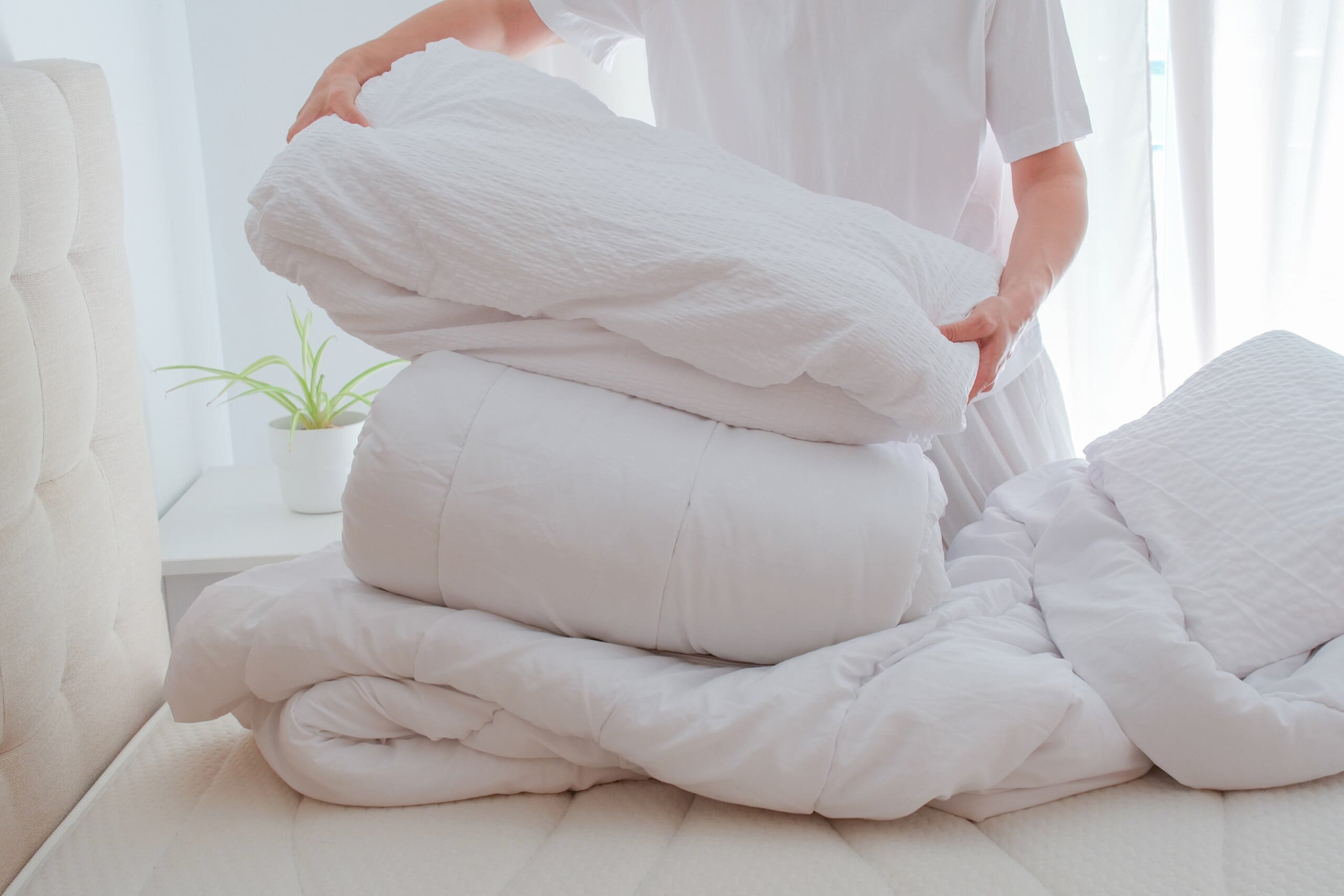
While most of us have a pretty standard routine when it comes to washing our bed sheets, the same can’t always be said for our actual bedding. While you can easily whip off the covers if you spill your morning coffee, you might be wondering how to wash the duvet and pillows underneath. Thankfully, it’s actually very straightforward to clean these items at home, making a complete bed freshen up so much simpler than you might think!
In fact, washing your pillows and duvet is essential for creating a healthy, hygienic sleeping environment. During the night, we sweat and shed dead skin cells, all of which eventually end up deep in our bedding. Here, dust mites and bacteria thrive, and the consequences of not washing your bedding include breakouts, allergic reactions, and an increased risk of colds and sniffles.
But don’t worry – like we say, washing your bedding is simple. We’ll guide you through the process of cleaning your pillows and duvets to ensure you get the freshest night’s sleep possible, while also extending the lifespan of your bedding.

The most important first step: check the care label
Before even going near your washing machine, you must check the care label on your bedding. If you wash your pillows and duvets against advice, you not only risk ruining them completely, but also voiding your warranty.
Here’s what the different symbols on your bedding mean:
- A tub filled with water - Machine washable. Good news! You can put your pillow or duvet in the washing machine if it has this symbol.
- A number inside the tub - Recommended temperature. This is the temperature you should set your machine to when washing your bedding. It’s usually either 30°C or 40°C.
- A square with a circle - Tumble dryer. This means you can tumble dry your bedding. If it’s got a cross through it, though, it means it’s not tumble-dryable.
- A tub with a hand - Hand wash only. This means you can’t machine wash your bedding, and should just spot clean it with a damp cloth instead, or gently rinse it in your bath if you have one!
- A simple circle - Dry clean only. This means you can only wash your bedding by taking it to the dry cleaners.
It’s imperative that you pay attention to these symbols and wash pillows and duvets accordingly. This helps them stay fresher and plumper for longer, so you can get the most out of them.
Bear in mind that these instructions generally only refer to synthetic, feather, and down bedding items. If you have a memory foam or latex pillow, you’ll have to wash it in a different way – but don’t worry, we’ll cover this now!
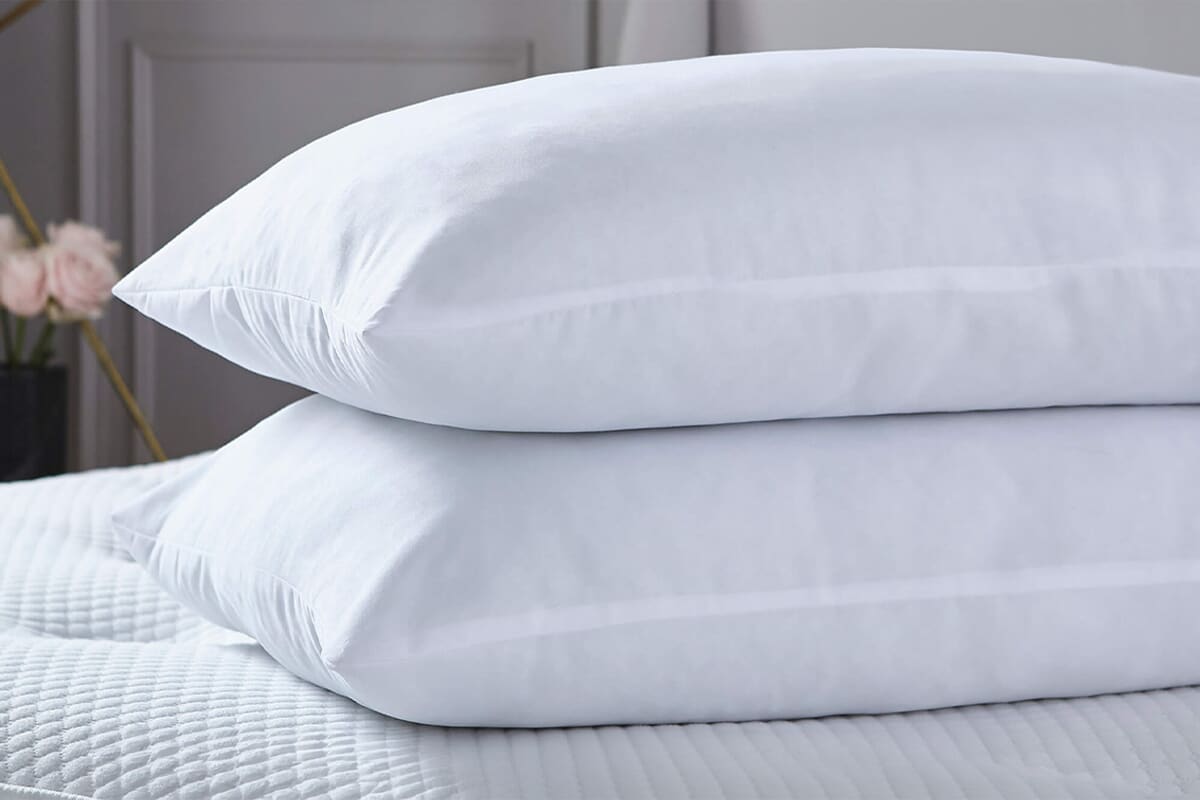
What about memory foam or latex pillows?
As we mentioned, it’s important not to wash latex or memory foam pillows in the washing machine, as foam can’t be cleaned this way. If you do, you’ll end up damaging the foam structure and losing the ‘moulding’ nature of the pillow. However, if you do end up with a stain or spill on your pillow, there are a few things you can do to make it fresh again.
Firstly, most memory foam pillows come with a removable cover. Take this off, check the care label, and pop it in the washing machine if you can. Then, check over the actual foam insert for spills, stains, and damage.
If you need to clean the foam, follow these steps:
- Vacuum any dust and debris. Even with a liquid stain, a quick hoover can help loosen the particles for easier cleaning.
- Spot-clean any stains with a cloth and mild detergent. Make sure to only use cold water, as warm or hot water will set the stain.
- Rinse with a clean, damp cloth, and never scrub – just gently pat.
- Let your pillow air dry completely before putting the cover back on. Keep it away from direct sunlight or heat, as this can damage its structure.
- Never put your foam pillow in the tumble dryer, as this will damage it.

How to wash a duvet: step-by-step
Maybe you’ve spilled a drink, your little one has had an accident, or you just want a seasonal refresh – we’re going to guide you through washing your duvet to not just give it a clean, but ensure it maintains its lifespan and doesn’t end up damaged.
Step one: check for damage
Give your duvet a thorough inspection to ensure there are no rips or loose threads that could become worse in the machine.
Step two: spot clean stains
Getting things like coffee or blood out of your bedding can be a nightmare, and you’ll want to make sure you deal with these stains before putting your duvet in the washing machine to prevent ‘setting’ them. Use a pre-treatment, like a cold water and baking soda paste or a stain remover from the supermarket. Let it sit for the recommended time and then blot with cold water.
Step three: use a big-enough machine
While most washing machines will be large enough to clean a single duvet or even a double duvet with a low tog, it’s unlikely you’ll have one big enough to clean a higher tog king-size duvet properly. You can pop your duvet in the washing machine to check – if there isn't enough room for the duvet to move around the drum freely, or you’re having to squeeze it in, it won’t wash properly, and you’ll need to use a 10kg+ capacity one at a laundrette instead.
Step four: clean your duvet gently
You’ll need to use a liquid detergent, as powder can leave residue. You’ll also want to use slightly less detergent than you would for a normal load of washing, as using too much can result in a ‘film’ feel on your duvet. This is also why you want to skip fabric softener.
Select a gentle or wool cycle on your machine, and wash at the temperature shown on the care label on your duvet. If possible, add an extra rinse cycle, as you want to get all of the soap out.
Step five: dry thoroughly
This is the most important step, as if you don’t allow your duvet to dry after washing, you’ll end up with mould and a musty smell when you put it back on your bed. We’d recommend using a tumble dryer (so long as the care label says you can) on a low heat setting.
A pro-tip to prevent your duvet from clumping is to add 2-3 dryer balls (or even tennis balls wrapped in socks) to the drum, which will effectively ‘beat’ and plump your duvet as it dries.
If you can’t tumble dry your duvet, make sure to wash it on a warm, windy day and hang it out to dry on a clean line outside. To prevent clumping, shake it vigorously every hour or so, and be aware that it can take a while for your duvet to dry this way, but you must make sure it’s completely dry before bringing it in.
How often should you wash your bedding?
For more details on when and why to refresh your bed, read our guide: How Often Should You Change Your Bedding?. But, as a general rule of thumb, go by the following:
- Duvet covers and pillowcases: One a week. Sweat, dead skin cells, and bacteria build up quickly on bed sheets, so wash them this often to prevent breakouts and allergies.
- Pillows: Every 3-6 months. Similar to your pillowcase, an unwashed pillow can lead to spots.
- Duvets: Every 6-12 months. If you switch your duvet between summer and winter, be sure to pop it in the wash before storing it. This way, it’ll be clean and fresh when you come to switch it over.
- Mattress protectors: Every two months. However, you might want to wash this more in the summer or if you tend to sweat a lot at night.
- Mattress toppers: Every two months. You can wash this just as you did your duvet, making sure to check the care label first, unless it’s memory foam, in which case follow the steps we covered for foam pillows.
When is it time for a replacement?
To put it very simply, if your pillow or duvet isn’t giving you the comfort it once was, then it’s time for a replacement. However, if you’re not sure if you need new bedding or not, or you’re wondering if you need to refresh your guest bed setup, consider the following:
Pillows: If your pillow is synthetic (e.g. filled with hollowfibre), fold it in half and let go. If it doesn’t spring back, it’s lost its support. If you prefer feather and down, you’ll know you need to dispose of your pillow if it’s become lumpy or flat.
Duvets: If the filling inside your duvet has clumped up or become flat in places, it’s not going to insulate you properly and do its job. You’ll also know it’s time to buy a new duvet if it doesn’t fit in your duvet cover as neatly anymore.
If you do need to replace your bedding, you’re in the right place, as we offer next day delivery on a range of comfy pillows and duvets. You can also read our expert advice, such as our Pillow Buying Guide, to ensure you make the right choice.