
 Lowest Price Promise
 0% Buy now, pay later



Natalie Pennicotte-Collier
MSC, MBCT, D.CHyp, MNCH, DHybKG, Reg CNHC
Sleep Expert Partner for 2026
A note from our Sleep Expert Partner 2026…
"Both your individual sleep needs and your choice of bed are central to achieving restorative rest, which I know makes finding the perfect mattress feel like a monumental investment. However, using expert insight to guide your purchase can help you take solid steps towards acing that decision, and it's important to prioritise your long-term wellbeing above all else."
Here's everything you need to consider when buying a new mattress, with ten top tips to make the process as easy as possible.
When shopping for a new mattress, there are a lot of different considerations to keep in mind. Do you know what features to look for, or what type suits you best? If you need some help, we’ve created a full walkthrough to help you make the best choice to suit your needs and budget.
What type of mattress is best?
A mattress is a very personal choice. One person’s best night’s sleep is another’s night of tossing and turning. This is down to factors like body type, sleeping position and sleeping needs.
To find the ideal mattress, you’ll need to consider these preferences and what you’d like to prioritise. While there are some general ideas you can use to make broad choices, such as a firm feel being more suitable for a bad back, there are more technical considerations too.
To help you make the right decision, we’ll guide you through the different types of mattresses, as well as how to make sure you choose the right one for you.
What to look for when choosing a mattress
First things first, size. If you already have a bed frame, your new mattress must be the same dimensions. If you're shopping for both, consider the size of your room, the space you need to move around, and whether you’ll be sharing your bed with a partner or a cuddly pet.
You also need a supportive mattress that keeps your spine aligned. This means paying attention to where you land on the firmness scale. Will soft, medium, or firm be your best fit? Don't worry, we cover mattress firmness in more detail further down.
The mattress material is also a crucial factor. Are you looking for the contouring hug of memory foam, the traditional support of springs, or a hybrid of both? If you suffer from allergies or prefer natural materials, remember to check the comfort fillings and core construction.
Luckily, we've also got plenty of other helpful guides that will answer any question you have about choosing a mattress, such as our guide to Pocket-sprung Vs Memory Foam Vs Hybrid: Which Mattress Is Best?

What are the different types of mattress?
Learning how to choose a mattress comes down to tailoring it to your specific needs and what you find most comfortable. Here are the main types of mattresses you'll find in the UK:
Pocket sprung mattresses
- Long-lasting support
- No transfer of movement
- Total body support and pressure relief
- Targeted support to your most needed areas
- Springs adjust with you as you move
- Can be zoned to provide specific support to certain areas of your body
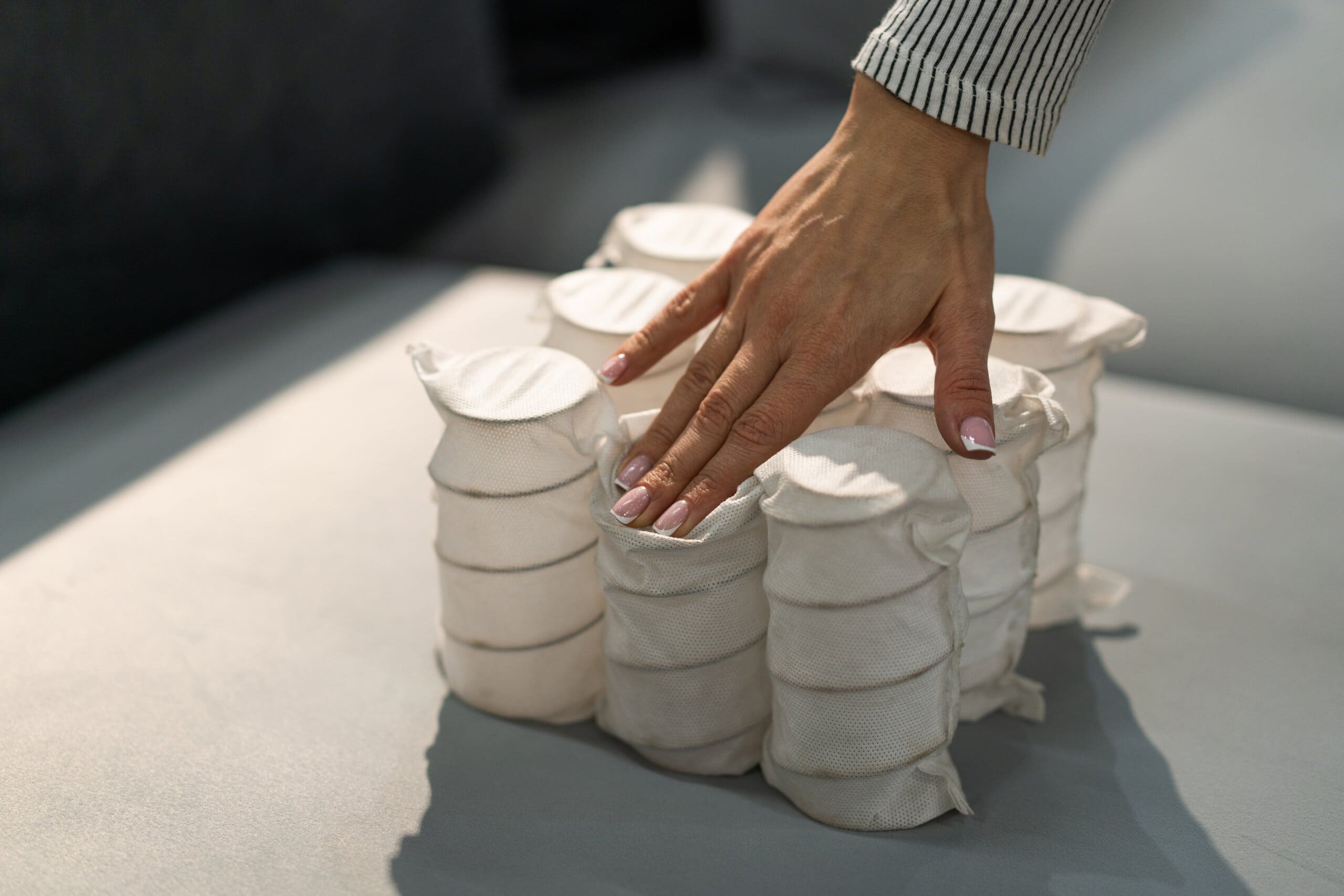
Pocket sprung mattresses feature individually pocketed springs that move independently of one another. This makes them great at targeting your pressure points as you move - plus, the more coils in the springs, the more reactive the support.
Memory foam mattresses
- Supportive and provides a weightless sensation
- Soft, ‘sink in’ feeling
- Suitable for all sleeping positions
- Available in a range of firmnesses and densities
- Contours to your individual body shape
- Targeted support at every pressure point
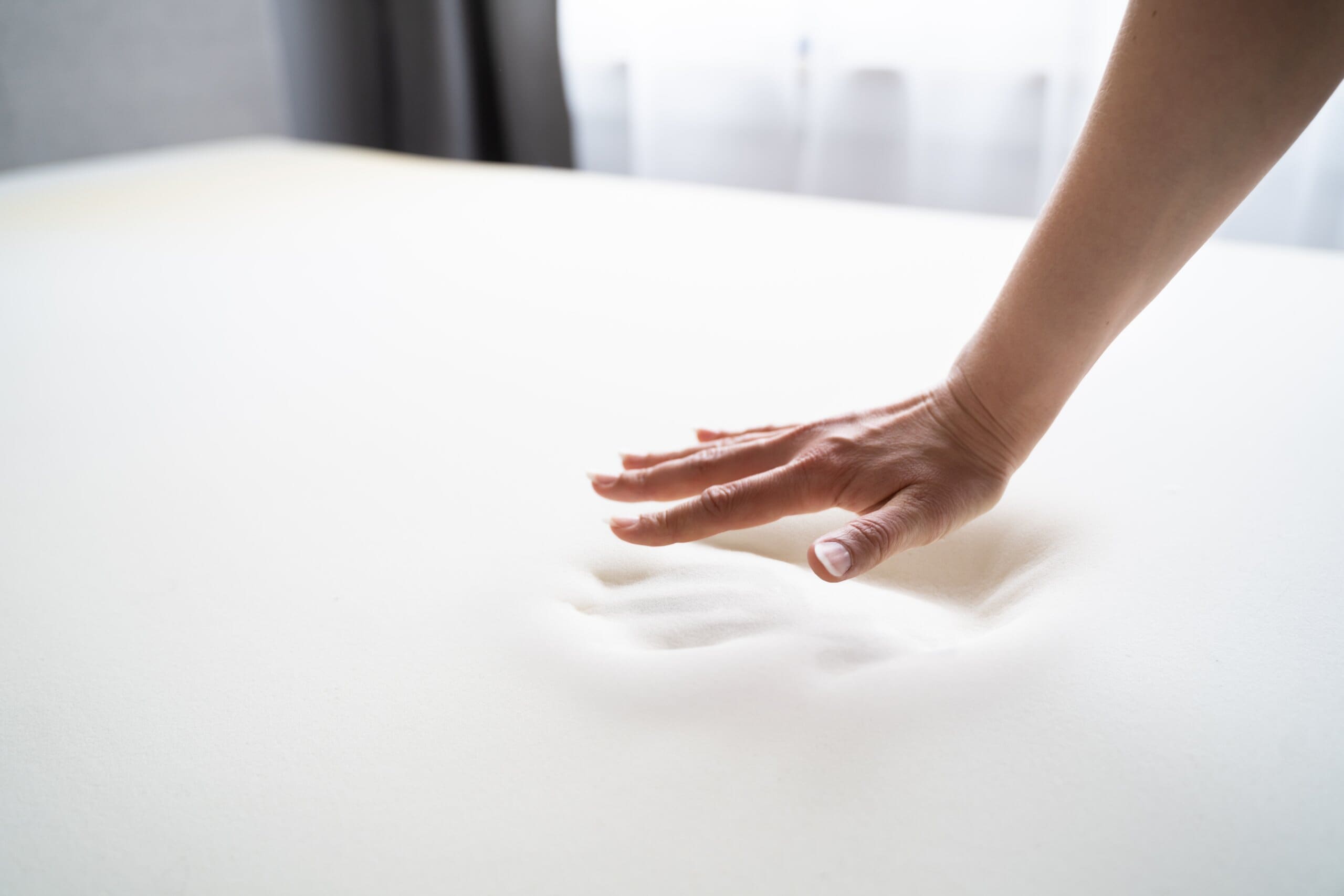
Created for the NASA space program, the foam mattress is now hugely popular. A dense foam that returns to its original shape as soon as pressure or weight is removed, memory foam is able to contour to your unique body shape, providing personalised support.
Our Memory Foam Buying Guide can give you more information and advice about finding the perfect memory foam mattress for you. Also, if you're interested in memory foam but unsure of how its thickness and density work, read our Memory Foam Thickness and Density Guide.
Hybrid mattresses
- Combines foam and springs for a ‘best of both worlds’ experience
- Reduced motion transfer and added edge support
- Breathable for a refreshing night’s sleep
- Excellent support as well as intense comfort
- Available in a range of comfort gradings
- Often features special elements such as cooling gel or reflex foam
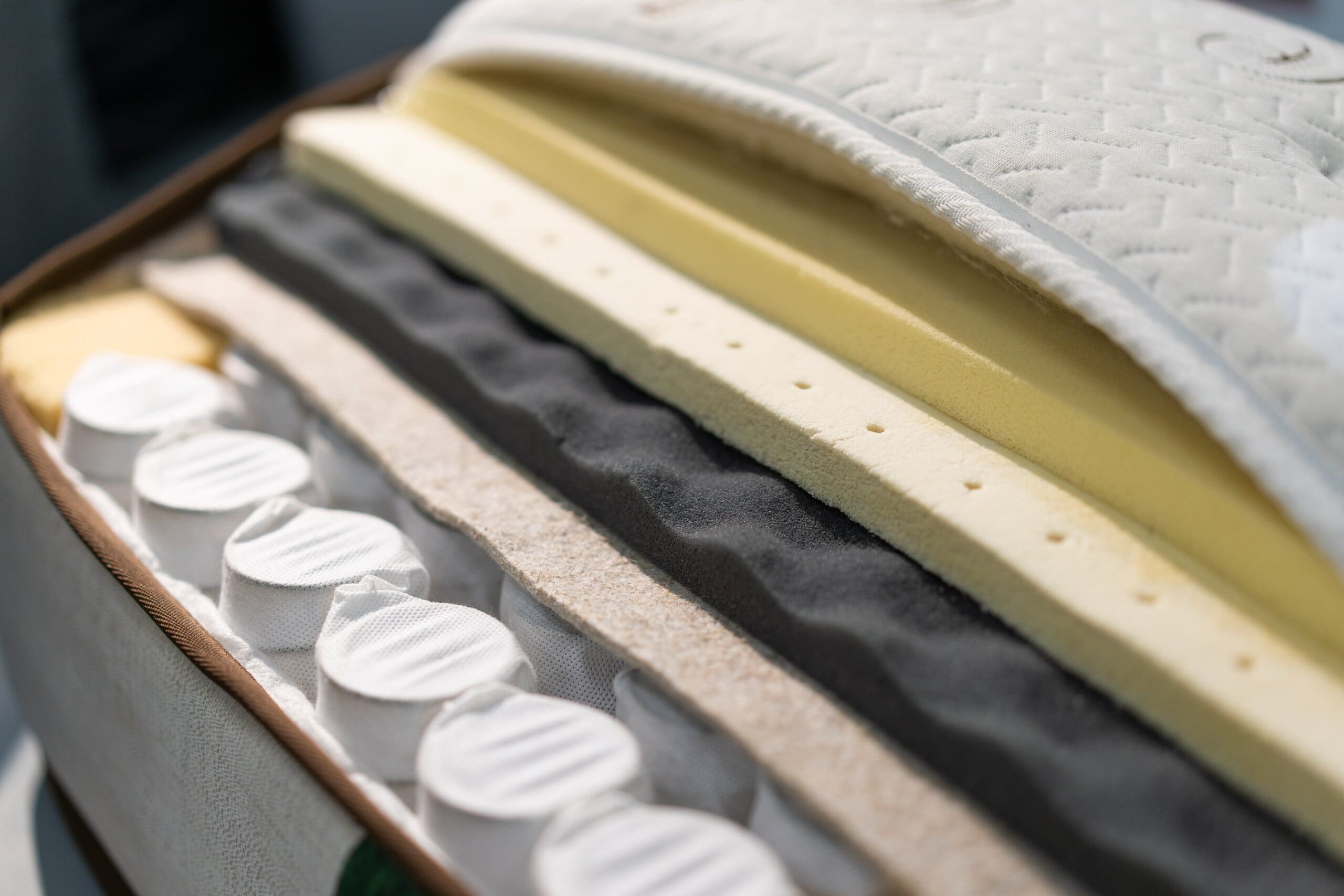
These mattresses use both springs and foam layers and are one of the best types of mattresses for all use. They are available in a range of firmness ratings, combining the supportive elements of pocket springs with the contouring comfort of memory foam.
Latex mattresses
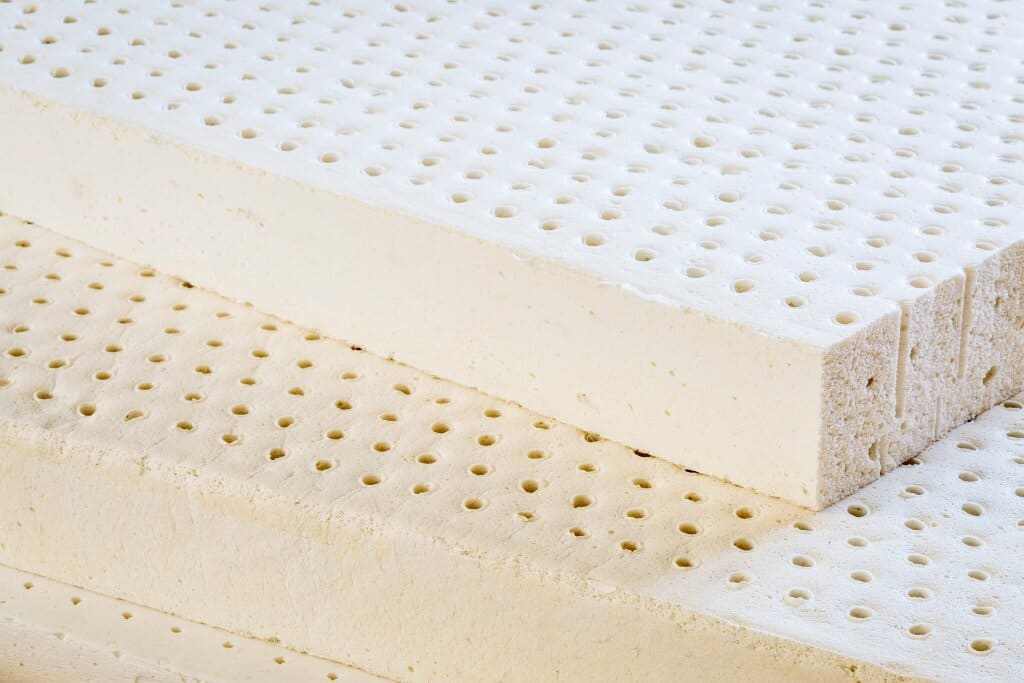
- Resistant to mould and dust mites
- Similar to memory foam without the heat retention
- Superior air circulation and anti-allergy
- Moulds to your unique body shape
- Less compression - denser and more supportive than memory foam
- Excellent pressure relief and a weightless sensation
- Supports your pressure points with precision
Latex mattresses contour to your body in a similar way to memory foam, but are more dense and less likely to sag over time. They are one of the best mattresses for those who suffer from allergies or respiratory conditions, made from natural materials. They create a hostile environment for bugs, mites, dust and canker, while often incorporating pocket springs to offer vital support.
Pillow top mattresses
- Hotel bed experience
- Supportive pocket springs target pressure points
- Soft pillow top ensures ultimate comfort
- Cloud-like, weightless feeling
- Available in a range of firmnesses
- Luxurious, high-end feel, but not necessarily more expensive than other mattresses
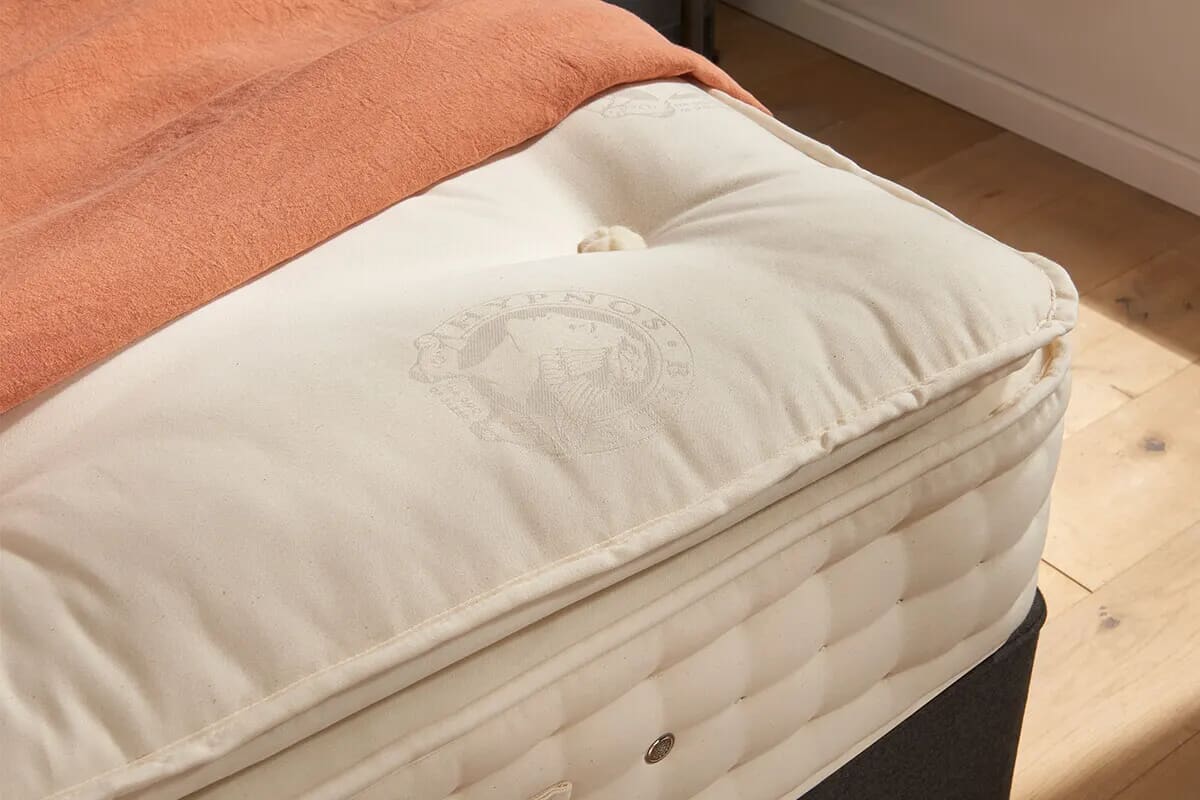
Pillow top mattresses are similar to hybrid mattresses, in that they comprise of supportive pocket springs, but have a ‘pillow’ of various comfort fillings stitched on top, rather than sheets of foam layered on top. This pillow top can feature anything from wool and alpaca fleece to special cooling gel memory foam.
Choosing the right size mattress
Choosing your mattress size will depend on the size of your bedroom and who the bed is for - you may only need a single bed for a small guest room or young person’s bedroom, but a couple might want to choose a double or king-size, depending on the overall look and size of your room.
The size of the mattress for your bed will depend on your bed’s dimensions. The basic UK mattress sizes are:
| Size name | Dimensions | Ideal for |
| Small Single | 75 x 90cm / 2'6" x 6'3" | Children, narrow bedframes & small bedrooms |
| Standard Single | 90 x 190cm / 3' x 6'3" | Children, teenagers, single sleepers |
| Small Double | 120 x 190cm / 4' x 6'3" | Smaller bedrooms, single sleepers wanting more space, spare bedrooms |
| Standard Double | 135 x 190 cm / 4'6" x 6'3 | Couples, larger spare rooms |
| King | 150 x 200 cm / 5' x 6'6" | Taller people, couples |
| Super King | 180 x 200 cm / 6' x 6'6" | Spacious sleeping, larger bedrooms |
| Emperor | 200 x 200 cm / 6'6" x 6'6" | Very large bedrooms, couples who want maximum space |
If you’re taller and find your feet hanging off the end of your bed when you lie flat, you need to consider a larger size - our guide to Choosing a Bed for Tall People will help. While most single and standard double sizes will be fine for most people, those over six feet may find a king-size or even a super-king more comfortable.
If you’re still unsure which size is right for you, visit our Ultimate UK Bed & Mattress Size Guide to find everything you need to know about choosing the right mattress size for you.
Try our super helpful MattressFinder™ tool, which uses your answers to a few simple questions to calculate the best type of mattress for you.
Which mattress is right for me?
Unsure of what mattress to choose? It can be difficult to know which mattress will be right for you. Take our MattressFinder™ quiz, answer a few simple questions and our tool will match you with a selection of mattresses perfect for your best night's sleep. Or, you can pop into our Showroom to get bespoke advice from our Sleep Experts.
How to choose a mattress in 10 easy steps
As we’ve mentioned, finding your perfect mattress isn’t always as easy as it looks. Luckily, we’ve provided ten top tips for buying a new bed. If you consider each of these steps, you'll be sure to choose the perfect one for you.
Remember, we offer free next day delivery on a huge range of mattresses, so you can be enjoying your perfect pick sooner rather than later.
1. Choose your mattress type:
When choosing a new mattress, you’ll notice there are a whole host of different types, from pocket sprung to memory foam - all constructed to suit different needs. Hybrids tend to offer ‘the best of both worlds’, but it’s important to consider which type is best for your personal body. We have lots of helpful guides to mattresses that can help you out - check out our Memory Foam Mattress Buying Guide, for example.
2. Think about mattress firmness:
There are several different levels of firmness to choose from. You might choose from soft, medium or medium-firm. However, if you require more support you may choose firm or extra firm - this firmness is especially recommended for heavier people, to give them more support.
The firmness of a mattress can often be detected by touch - the feel can tell you a lot. This can be quite subjective, but a softer mattress will give you a ‘sinking’ feeling, while a firmer one will feel more like you’re ‘on’ the bed, rather than ‘in’ it. What you choose here is entirely down to personal preference, and you’ll find we stock a variety of firmness options.
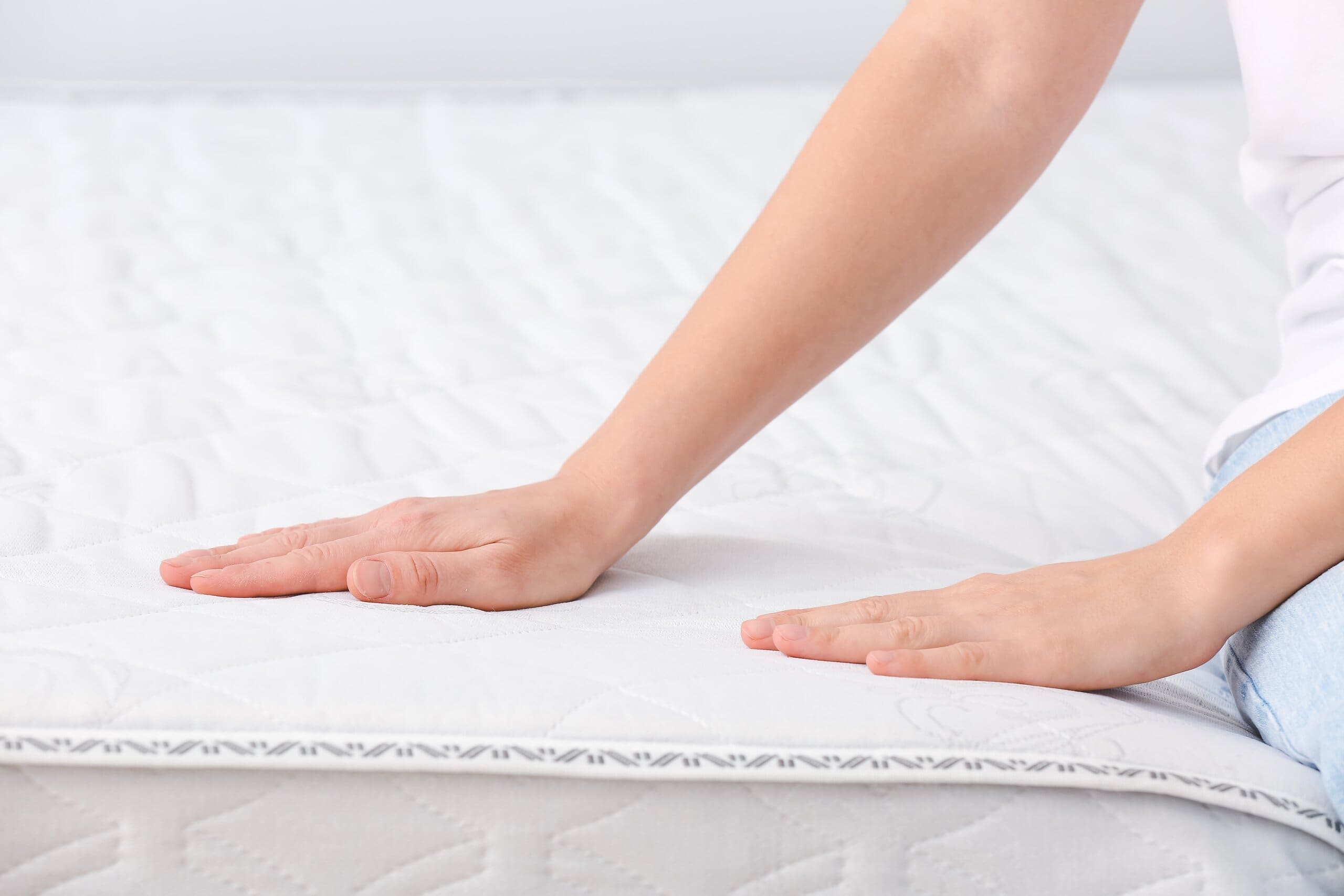
Firmness is one of the key aspects to consider before purchasing a new mattress. If you select a unit that is too soft or too firm for you, then you are likely to not sleep well, and could even develop issues with your back and other joints (a firmer, orthopaedic mattress can help here if you frequently suffer from aches and pains). Considerations such as your body type, sleep needs and sleeping position will all impact the level of firmness you need.
Our Mattress Firmness Guide has all the information you could need about selecting the right mattress firmness for you.
3. Choose the right mattress size:
You might find that one of the most important factors in choosing a mattress is the size. The UK and Europe have different specs for bed sizes, so make sure you check the exact measurements before making your final decision on which to choose.
In terms of standard UK measurements, you will find small single, single, double, king-size or super-king size mattresses.
We also offer a range of kids mattresses, including cot and cot bed - the ideal sizes for growing children.
Our Ultimate UK Bed & Mattress Size Guide has all the information you need to make sure you choose the right size for your needs, as well as the exact measurements of each size in both imperial and metric. We've also got a helpful Home Measuring Guide, so you can make sure your bedroom is big enough for your chosen bed size, and ensure you can get it through your home on delivery day.
You might also want to consider your desired mattress depth. Whether you have a low bed frame and need an extra deep mattress, or prefer a high bed, you should be sure to look for the depth measurements so you can accurately envision how it will look in your bedroom.
4. Consider your budget:
Potentially one of the most important aspects people consider when purchasing a new bed is how much they're willing to spend. We are dedicated to getting you the best deals on any mattress, bed or accessory, and our prices start from as low as £99 all the way up to nearly £2000. If you're looking for cheap double beds with a mattress for under £100, for example, our sale page has plenty of deals.
While it could be argued that you ‘get what you pay for’ in terms of quality, many modern mattresses are able to include a number of different comfort and support features at very little extra cost. You don’t need to spend thousands of pounds on a mattress for it to be exactly what you need for a perfect night’s sleep - it just needs to be the right one for you.
We also offer helpful ways to pay, such as paying in 30 days or in 3 instalments with Klarna. Find out more on our Finance page.
5. Your sleeping position plays a part:
Your sleeping position should be a big part of your decision. Whether you’re a front sleeper, side sleeper, or sleep on your back, the best type of mattress for you will be different.

For example, a front sleeper won’t feel as comfortable on a soft mattress as they would on a medium-firm one, and a back sleeper might prefer orthopaedic support features to give them extra spinal support.
You can take a look at our guides for The Best Mattresses For Side Sleepers, The Best Mattresses for Front Sleepers and The Best Mattresses For Back Sleepers to help you make your decision.
6. Your body type may make a difference:
Different body types are more comfortable on different surfaces - not every body type is suitable for every mattress. For example, if you are heavier, you may find that a high-density memory foam mattress is a good choice, while a lighter person may not feel any benefit.
It would also be advisable for a heavier person to invest in a firmer feel, which does not have as much ‘give’, and has more layers within it to provide increased support. Our collection of mattresses for heavy people can help you refine your choice, or for more help choosing the best mattress for a heavy person, read our guide.
Your body type may also change over the years, for example, if you become pregnant. In this instance, a hybrid mattress is an excellent choice, as you can receive both the support from the pocket springs, as well as the contouring comfort of the memory foam.
If you’re pregnant or planning for a baby, you can read our post on The Best Mattresses For Pregnancy for more advice.
7. Consider your individual sleep needs:
You may have some specific sleeping needs that need to be met. For example, if you are a hot sleeper, you may require features that ensure you do not overheat during the night and disturb your sleep. Luckily, we offer a range of cooling gel mattresses that are perfect for preventing night sweats. You can read our Cooling Mattress Guide for more information on how to get a cooler night's sleep if you suffer from overheating.
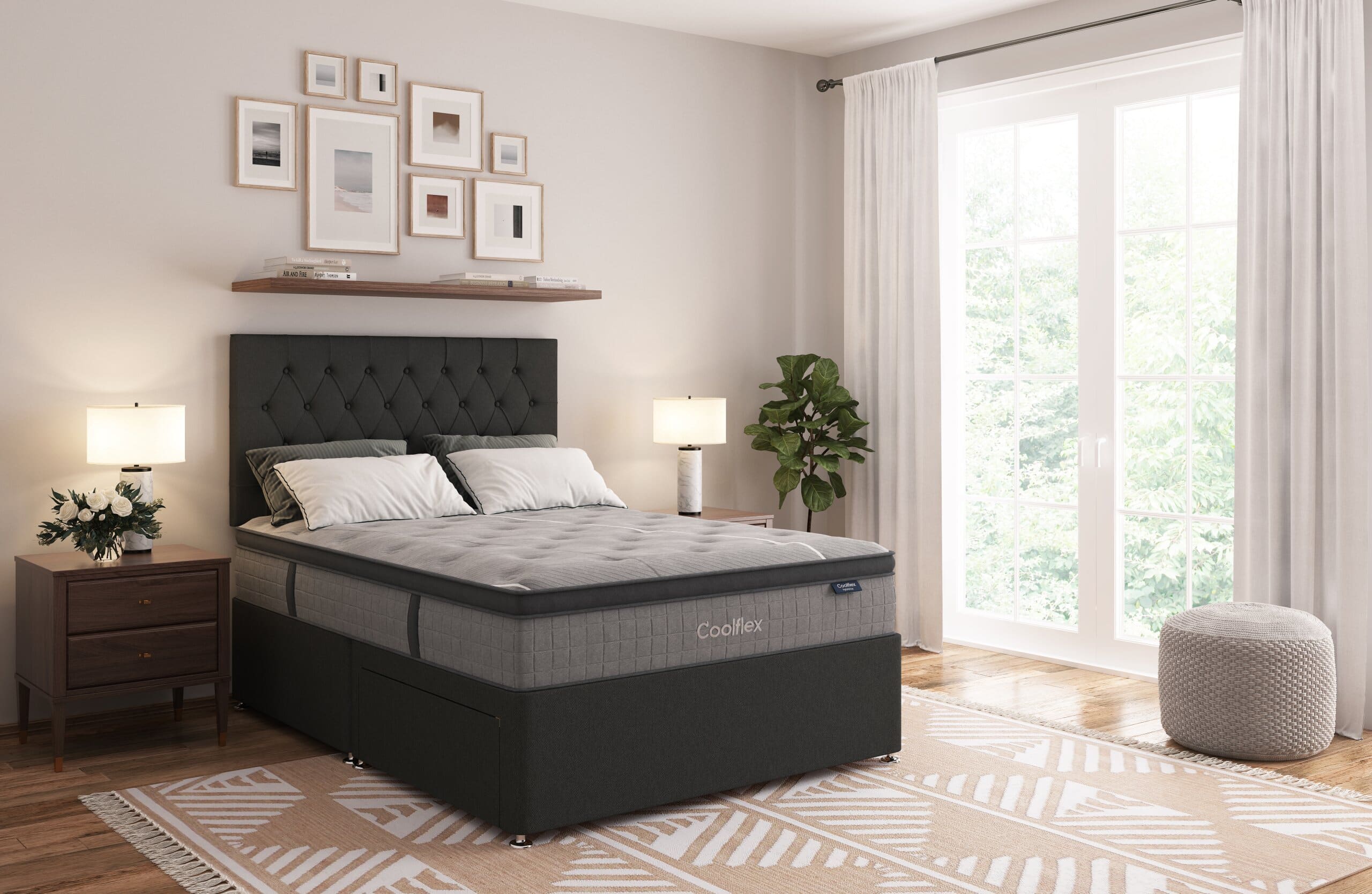
Those who suffer from joint or back pain, or even arthritis, may want to invest in an orthopaedic mattress, as this will offer the highest level of support to your body. If you’re an allergy sufferer, consider natural fillings or antimicrobial and anti-allergy properties. We also offer a range of hypoallergenic mattresses, ideal for those who want a more hygienic night's sleep. Our bespoke collection of mattresses for arthritis can help you refine your choice, too.
8. Look for special features:
There is a range of different construction features on the market, which you should take into account when choosing your perfect fit. You may want to buy a new mattress that has extra edge support, which can help you to sleep more soundly, or one that has ‘no roll together’ technology to keep you and your partner separate during the night. Which features are important to you will again differ based on your specific needs.
Lots of modern mattresses have innovative features that can help you get your perfect night’s sleep, so be sure to take advantage of the ‘features’ and ‘comfort fillings’ filter options when browsing our site.
9. Make sure to invest in mattress protection:
New mattresses need to be maintained in order to get the most from them and keep them in great condition. In order to do this, you should take care of it by turning it to make sure one side does not become more used and damaged than the other. Of course, some mattresses are ‘no turn’, so do be sure to check your manufacturer's instructions to ensure you care for it properly.
You can also clean your mattress frequently in order to keep it fresh and reduce the chances of any dirt buildup. Perhaps the best investment you can make once you've made your purchase is a mattress protector. Not only can this keep your sleeping environment safe from stains, but it can also make it a little more comfortable and extend its lifespan.
10. Our Lowest Price Promise:
We want you to enjoy a proper night’s sleep at the lowest possible cost. At MattressNextDay, our Lowest Price Promise means you don’t have to choose between award-winning service and a great deal, because we do both.
Our team constantly review our main competitors and update our prices every 24 hours to ensure we remain the most competitive on the market. We’ll match the price, if you find an identical mattress from one of our listed competitors, at a lower price. Plus, we’ll ensure you get speedy delivery and exceptional customer care, at no extra cost.
Ready to find your perfect match?
Hopefully, this guide has successfully answered all your questions, from understanding the different types of mattresses and how to choose the mattress in 10 easy steps, to finding the best option for side or front sleepers.
Ultimately, mattress shopping comes down to personal preference. Once you’ve considered your sleeping position, body type, and budget, the most important step is trying a mattress for yourself to see what delivers the right balance of support, comfort, and firmness.
Browse our range of mattresses to find the option that suits your sleep style and start waking up feeling genuinely rested.
FAQs
Still not quite found the answer you're looking for? Here are a few quick-fire answers that might help you out.
How do I determine the right mattress size for my needs?
Think about the size of your bedroom first. How much space do you actually want left once the bed’s in there? A larger mattress can sound appealing, but it can quickly take over a smaller room.
Your height matters, as does how much you move in your sleep and whether you’re sharing the bed.
Before buying, check your bed frame measurements. Mattress sizes are standard, frames often aren’t. For exact dimensions, see our Ultimate UK Bed and Mattress Size Guide.
What mattress type is best for back pain?
If you frequently suffer from back pain, you should aim for a medium-firm to firm mattress. For the highest level of comfort and support, we strongly recommend an orthopaedic mattress. These are specially designed to promote optimal spinal alignment and encourage a healthy sleeping posture, which is key to finding the right mattress for back pain.
Look for robust construction, such as a high-quality pocket spring core or dense layers of memory foam. These materials use revolutionary technology to spread your body weight evenly, minimising pressure points and maximising support. For more detailed information on choosing the best option, refer to our Orthopaedic Mattress Buying Guide.
How often should I replace my mattress?
The Sleep Council states that mattresses should be replaced either every seven years or when you begin to wake up with aches, pains, or stiffness. You can read our guides on How Long Does a Mattress Last for more help and advice.
How do I choose a mattress if I have allergies?
If you struggle with allergies, you should focus on mattresses that use fillings designed to resist common irritants like dust mites and mould. Fortunately, there is a fantastic range of mattresses for allergy sufferers available, including hypoallergenic mattresses. Built with antimicrobial properties and reaction-preventing materials, these mattresses are perfect for promoting a refreshing, hygienic night's sleep.
Can the right mattress help with night sweats or overheating?
Yes! If you are a hot sleeper, choosing a cooling mattress can significantly improve your sleep. We offer a variety of options with innovative cooling features designed to regulate temperature. For example, our cooling gel mattresses utilise cool gel memory foam to actively draw heat away from your body, preventing night sweats. Furthermore, natural fillings like cotton, silk, and even bamboo in your mattress can help create a refreshing sleeping environment.
Want to know what our product experts recommend? Read our guide to The Best Cooling Mattresses For Hot Sleepers 2026.