 Lowest Price Promise
 100 Night Sleep Trial
 0% Buy now, pay later
Last updated: February 2025
How To Choose The Right Duvet
What's a tog? What fillings are available? Here's how to choose the best duvet for you.


Natalie Pennicotte-Collier
MSC, MBCT, D.CHyp, MNCH, DHybKG, Reg CNHC
Resident Sleep Expert
A note from our Resident Sleep Expert…
"Duvets are so important for your sleep health. One of my top tips is to forget how you think you need to use a duvet and do what’s best for you. For example, if you don’t like thick winter duvets, try layering low tog duvets on top of each other – this way, you can control one of the most important aspects to a good night’s sleep: temperature regulation.
It can be tempting to go for ‘snuggle factor’ over anything else when choosing a duvet, but think about breathability and what will actually help you sleep. More often than not, a cooler duvet that enhances air circulation will help you drift off and maintain a healthy night’s rest."
Is there anything better than snuggling into a comfy duvet at the end of the day? But how do you choose the right duvet for you? How big does your duvet need to be? What are they made of, and just exactly what is a ‘tog’ rating? We answer all of your questions in our duvet buying guide.

How often should I buy a new duvet?
Duvets generally last between two and four years, depending on whether they’re a year-round 10.5 tog that sees everyday use or a seasonal duvet that only comes out during the winter or the cooler spring and autumn months. If they’re washed and cared for carefully, duvets can last much longer, but we do recommend changing your duvet every three to four years maximum.
What size duvet do I need?
Duvets come in various sizes, ranging from kid’s cot duvets that are specifically designed to fit a cot, up to super king size or even emperor size.
- Single - 135 x 200cm – fits Mattress size 90 x 190cm
- Small Double and standard Double - 200x 200cm fits mattress sizes 120 x 190cm or 135 x 190cm
- King Size - 230 x 220cm – fits Mattress size: 150 x 200cm
- Super King Size - 260 x 220cm – fits Mattress size: 180 x 200cm (or 2x zip and link beds)
- Emperor Size - 290 x 235cm – fits Mattress size: 210 x 210cm - good for European sized mattresses
Our top tip: Go for a larger duvet size that’s bigger than your bed, especially if you share your bed with your partner to avoid one of you being left out in the cold if the other one has a habit of ‘tucking and rolling’ into a duvet at night!
What is a tog?
What does tog rating mean when choosing a duvet? Well, put simply, a tog is the level of heat that a duvet retains and how toasty it’ll keep you through the night. The higher the tog, the warmer the duvet.
The range runs from 1-15, but the average tog for an all-year-round duvet is 10.5. Summer duvets range from 1 – 4.5 tog. Spring and autumn duvets are between 7 – 10.5 tog, and for those chilly winter nights, a 12 – 15 tog winter duvet will keep you plenty warm enough.
What duvet tog should I get?
That will depend on several factors including:
- The season – a lighter duvet for summer and a thicker one for winter is the way to go, although an all-season duvet will see you kept comfortable all year round, especially if it features modern temperature-regulating technology, so this may be an investment you're interested in.
- Your age – adults will usually go for a higher tog rating, whereas children often feel hot at night and will prefer something lighter. For very young children, a thin, highly breathable cover is recommended to prevent suffocation.
- Personal choice – plenty of couples bicker about whether it's too hot or too cold at night, with one throwing the duvet off and the other stealing all the covers. Try the Scandinavian method of having two separate duvets if that makes things easier!
For the best all-around coverage for an average adult, a 10.5 tog duvet designed to fit your bed is the best choice. If you get a sudden cold draft, then throwing on a heavier duvet such as a 12-tog will keep you warmer. Or team up your 10.5 tog all-rounder with your lighter summer duvet and you’ve got the perfect defence against the deepest, darkest winter nights!

How to choose a duvet filling
There are two main types of duvet fillings: natural and synthetic. Both have their advantages, and the option you choose will be based on some personal choices.
Natural fillings
Duvets with natural fillings are mainly feather and down. Down is the traditional filling for the predecessor of the duvet, the aptly named ‘eiderdown’ which was originally filled with the down and feathers of the eider duck.
Today, duck down is one of the most popular choices for anyone who wants a gloriously snuggly winter duvet. Down simply needs a quick shake occasionally to plump it up and is machine washable. Down duvets usually come with soft cotton covers that are anti-microbial, stopping dust mites and allergens in their tracks.
They’re long-lasting and sumptuously comfortable – the ultimate duvet for snuggling up in the depths of winter. The drawback with natural fillings is that some people are allergic to feathers, and they take much longer to dry after washing.
Synthetic
Budget-friendly, easily available, and in a full range of sizes, tog ratings and designs, synthetic duvets are a great all-round choice. They’re made from microfibre or hollow fibre polyester and are also an alternative if you have an allergy to feathers.
The vast majority of synthetic fibre duvets are hypoallergenic, so they’re ideal for anyone suffering from allergies, respiratory conditions such as asthma (particularly dust-triggered asthma) and skin sensitivity. They’re incredibly easy to wash and dry much more quickly.
If you have a large enough tumble dryer they can be popped in and tumbled. This is why children’s duvets are usually made from synthetic fibres to make them easier to wash and keep clean.
Modern synthetic duvets can feature innovative technologies that regulate your temperature for optimal sleeping conditions.
The best duvets
We have a huge selection of duvets in range of sizes, materials and prices. Our product experts have chosen their favourite duvets based on value for money, innovation, and popularity.
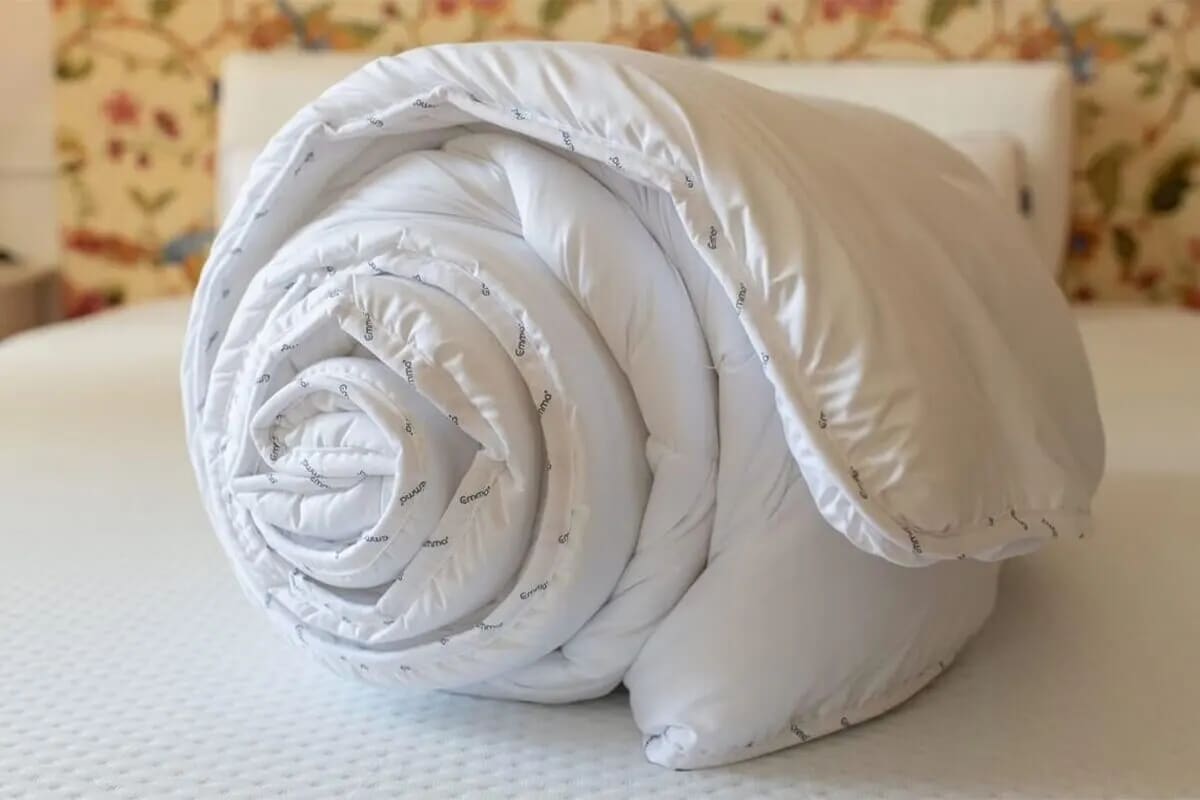
Emma® Cloud Duvet
This all-season duvet from leading sleep company Emma features a range of incredible features that makes it a brilliant investment for your sleep set-up. Temperature-regulating technology keeps you cool in the summer and warm and snug in the winter, so you're a comfortable temperature every single night. It's also lightweight and soft to the touch, as well as machine washable!
Silentnight Cooler Summer 4.5 Tog Duvet
The best duvet for summer, this light, highly breathable duvet from Silentnight will keep you at the best temperature on hot, clammy nights. Hypoallergenic, this summer duvet prevents dust mites and allergens and has a soft touch moisture-wicking cover to keep you feeling fresh all night. It's also machine washable and comes with a five year guarantee!

Silentnight Warm & Cosy 13.5 Tog Duvet
In the colder winter months, all you want to be at night is warm and cosy... and that's exactly what this duvet offers! With an impressive tog rating that keeps you insulated and snuggly, this duvet is also hypoallergenic, kind to your skin, and can be machine washed to keep your sleeping environment as hygienic as possible.
What about pillows and mattress toppers?
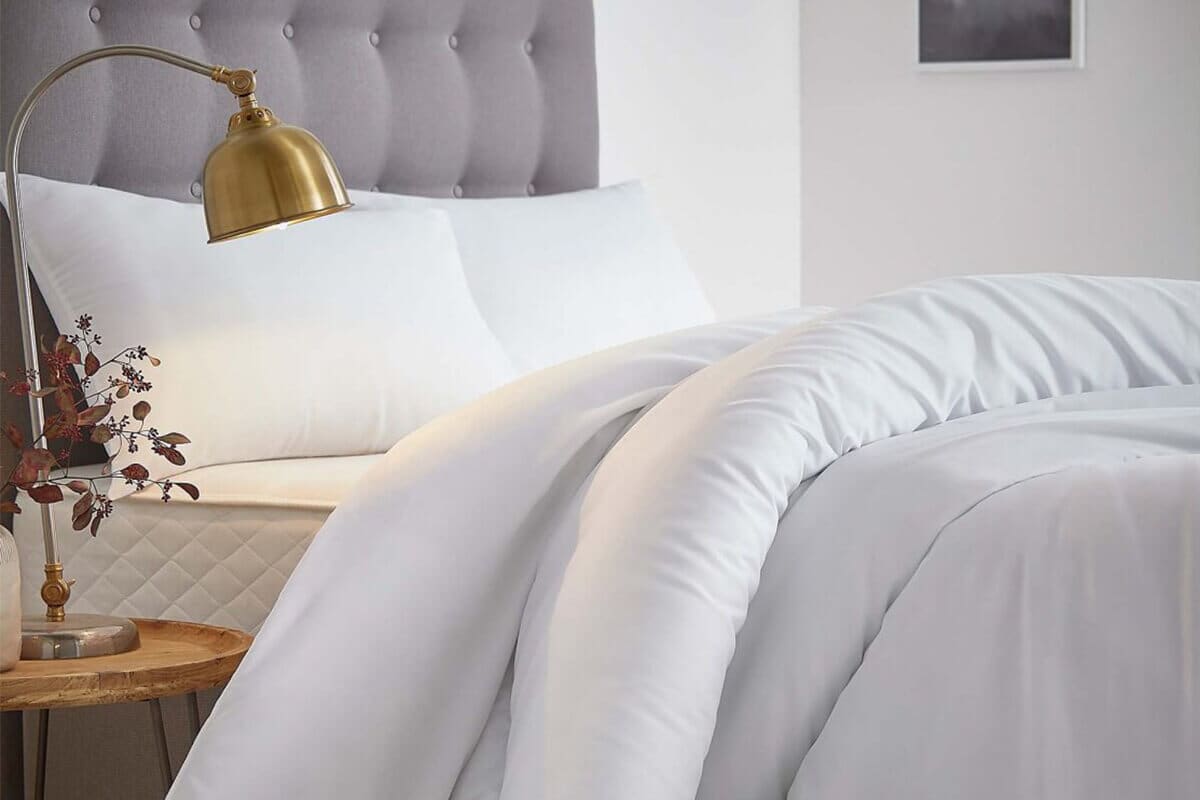
Once you’ve picked your duvet, why not make sure you get the perfect night’s sleep with our full range of pillows and mattress toppers? Our guide on how to choose the best pillows will help you pick the perfect pillow to go with your new duvet.
If you’re still not sure as to which is the best duvet for you, browse our duvets or contact one of our team who will be happy to answer your questions.
In need of more than just a new duvet and need a new mattress? Check out our top 10 tips for buying a new mattress. Alternatively, our MattressFinder™ quiz will match you with your perfect mattress in just a few clicks!





*Delivery charges may apply for some areas. Please see our delivery page for more information.
1. Order by 6pm for next day delivery between Monday-Friday, 12pm on Saturday and 3pm on Sunday. The 'Order by' time may be subject to change dependant on our delivery partners.
Bedsonline.biz Ltd is authorised and regulated by the Financial Conduct Authority (FCA FRN 710091) and acts as a credit intermediary and not a lender, offering credit products provided exclusively by Klarna Financial Services UK Ltd (publ). Finance is only available to permanent UK residents aged 18+, subject to status, terms and conditions apply.
MattressNextDay, 116 Joseph Wilson Industrial Estate, Whitstable, Kent, CT5 3SN