
 Lowest Price Promise
 0% Buy now, pay later



Natalie Pennicotte-Collier
MSC, MBCT, D.CHyp, MNCH, DHybKG, Reg CNHC
Sleep Expert Partner for 2026
A note from our Sleep Expert Partner 2026…
"The right bed sheets can deliver sleep-quality magic. Different nighttime temperatures often fuel subtle changes to our sleep health, but the right choice of sheets and duvet covers can offer a first line of defence against hot, irritable, and broken sleep.
It’s also important to consider the sensory element of your sheets. Sometimes, a neutral colour and plain design can reduce sensory stimulation and signal that it’s time to rest. This guide is sprinkled with cool sleep science that shows how you can give your sleep the reset it deserves through your choice of bed sheet. My favourite is a crisp linen or cotton sheet, which I switch to bamboo in the summer."
With so many options out there, it can feel overwhelming knowing which bed sheet material is the best for a better night’s sleep. Choosing the right bed sheet material is actually more important than you think – it affects everything from your comfort levels as soon as you get into bed, to your temperature regulation, to how long your bedding lasts.
Choosing the best pillows or duvet is one thing, but the sheets that go over them are often overlooked. While some might opt for something that suits their bedroom aesthetic, or whichever duvet cover set is on offer, those who appreciate a good night’s sleep know that the type of material of your sheets makes a huge difference. We’ll walk you through the different types of bed sheets on the market and how you can choose the best one for you and your family.
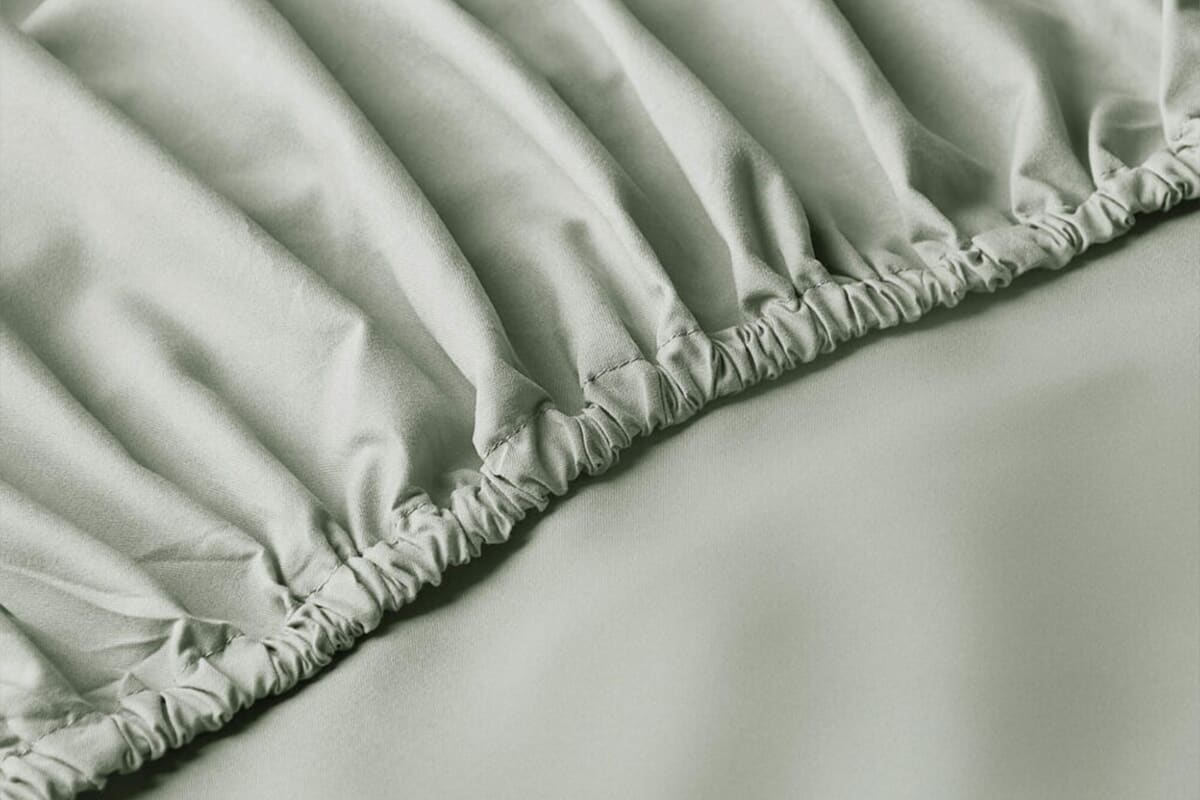
What is the best bed sheet material for you?
Everyone sleeps differently, and everyone has different needs and preferences when it comes to creating the perfect sleep setup for them. We’ve broken down the best materials for you based on what your needs are:
- If you’re a hot sleeper, linen or bamboo sheets are a must. If you sleep warm, you’ll not only want a cooling mattress, but breathable sheets that wick away sweat and regulate your temperature. Linen and bamboo are known for their cooling properties.
- If you want a ‘luxury hotel’ feel, go for high-quality cotton. You don’t have to break the bank buying Egyptian cotton – any cotton with a high thread count will feel luxurious and give you that hotel-style feeling, especially in white!
- If you’re on a budget, the best option is polycotton. This is also the best bed sheet material for children. Polycotton is a blend of polyester and cotton, and is generally cheaper compared to standard cotton. It’s also easy to wash and maintain, so it's a good option for dealing with nighttime accidents (alongside a waterproof mattress protector, of course!).
- If you have sensitive skin, try microfibre sheets. Microfibre is naturally hypoallergenic due to its tight weave, which makes it difficult for dust and other allergens to penetrate. You can find some incredibly soft microfibre sheets, such as the Silentnight Supersoft range, which is incredibly gentle on your skin.
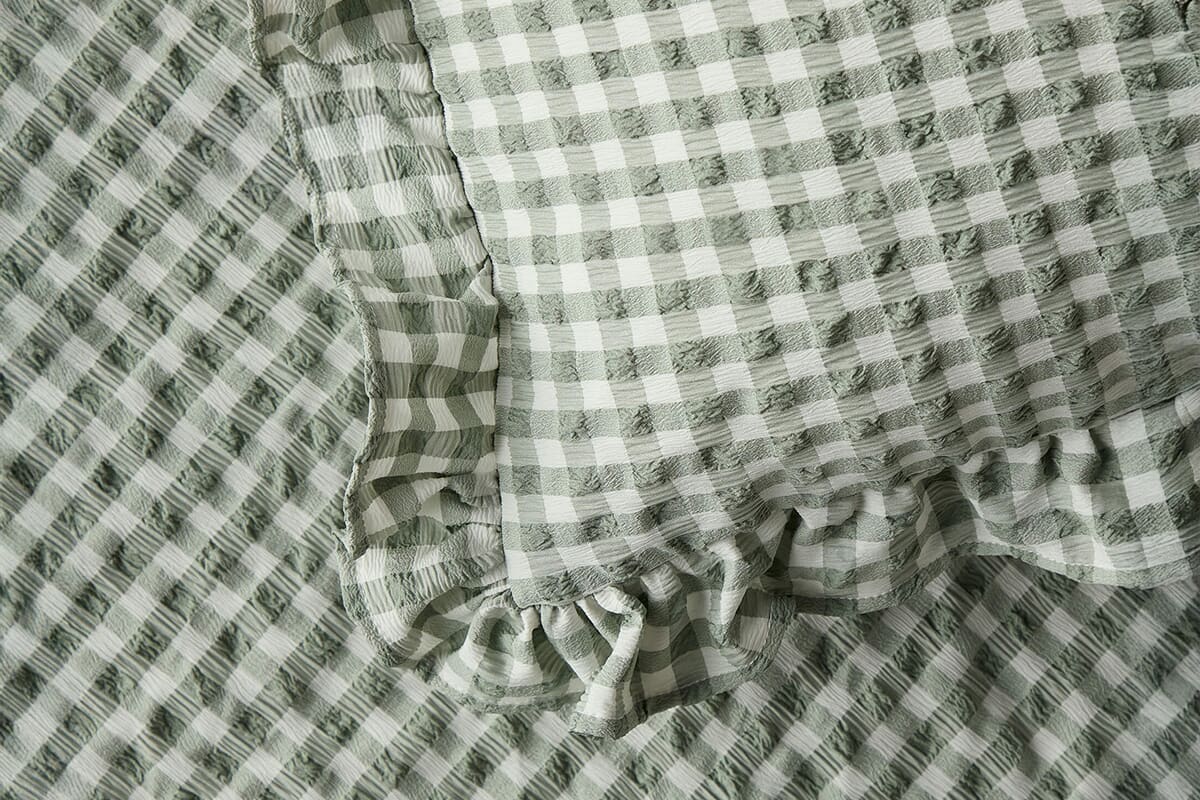
- If you want something on-trend and stylish, go for seersucker or waffle texture. You can find these in supersoft microfibre too, making them snuggly soft and fashionable. Both seersucker and waffle fabric textures are highly breathable and durable, and they also dry quickly, making drying sheets indoors much easier.
| Material | Best For | Pros | Cons |
| Cotton | A luxury hotel feel, a traditional feel | Soft & breathable, durable, easy to wash, gets softer over time | Quality varies, premium cotton can be expensive |
| Polycotton | Budgets, families with children | Soft & breathable, durable, easy to wash, gets softer over time | Less breathable, can feel warm, not as “premium” |
| Linen | Hot sleepers, summer bedding | Ultra-breathable, long-lasting, moisture-wicking | Can feel rough at first, wrinkles easily, more expensive |
| Bamboo | Hot sleepers, sensitive skin, a luxury feel | Silky soft, hypoallergenic, temperature-regulating | Needs gentle washing, slower to dry, pricier |
| Microfibre | Budget luxury, sensitive skin, everyday use, allergy sufferers | Very soft, lightweight, hypoallergenic, easy-care, quick-drying | Can 'pill' if low-quality, less eco-friendly |
| Seersucker/Waffle | Style and aesthetic, easy-care users | Stylish textures, breathable, quick-drying, soft | Limited colours and styles, may not suit minimalists |
Best sheet materials: the pros and cons
Now we’ve had a quick glance at the best material for bed sheets depending on your needs, let’s do a deeper dive into the pros and cons of each, so you can get a better understanding of how to dress your bed in the best way possible.
Cotton bed sheets
Pros of cotton sheets:
- Cotton bed sheets can be incredibly soft, especially if they have a high thread count like the Harwoods European Size Cotton Fitted Sheet. Cotton has a naturally smooth feel that gets softer with every wash.
- This bed sheet material is frequently used by hotels as it offers a fresh, crisp feel when it’s been washed and cared for properly. In high-end hotels, you might find Egyptian cotton sheets, but any cotton sheet with a high thread count will offer incredible levels of comfort.
- Cotton sheets are very easy to wash, as they can withstand high temperatures in the washing machine, so it’s easy to rid them of dirt and bacteria.
Cons of cotton sheets:
- Higher-quality cotton sheets, such as those made from Egyptian cotton, can be very expensive. They use longer, finer fibres that create a smoother fabric, but it is very time-consuming to produce.
- Cheaper cotton sheets can pill over time, where short fibres break and form small fluffy balls on the surface.
Polycotton bed sheets
Pros of polycotton sheets:
- Polycotton is the perfect middle ground between polyester and cotton, being budget-friendly and soft.
- The addition of polyester to the blend makes this material incredibly durable, especially when being frequently machine-washed.
- This is one of the best types of sheets for indoor washing, as the synthetic element allows it to dry very quickly. It’s also less prone to wrinkling, so you won’t need to iron it!
Cons of polycotton sheets:
- They’re slightly less breathable than 100% pure cotton sheets, so they can feel slightly warmer, especially in the summer months.
- This type of bed sheet isn’t ideal for people with very sensitive skin, as polyester can sometimes trigger irritation.
- Polycotton does the job and can be incredibly soft, but it doesn’t have a very premium feel. If you’re looking for a really luxurious feel that you notice every time you get into bed, this might not be the best bed sheet material for you.
Linen bed sheets
Pros of linen sheets:
- Linen sheets are generally more durable than other types of material, and they are much stronger than cotton. In fact, they can last for years if cared for properly.
- They have a looser weave that allows them to circulate air more easily, meaning they give you a fresher feeling and prevent overheating.
Cons of linen sheets:
- Linen sheets can feel a little ‘scratchy’ when you first put them on your bed, and need a few washes to soften; however, some people like that ‘crisp’ feel!
- They can be more expensive than other bed sheet materials. However, you can find washed cotton sheets that look and feel like linen, but are less ‘scratchy’ to begin with and are much more budget-friendly.
- Linen sheets also wrinkle quite easily, so if you like a very neat-looking bed, this might be hard to maintain.
Bamboo bed sheets
Pros of bamboo sheets:
- Bamboo is one of the best materials for duvet covers and fitted sheets alike, as they’re incredibly breathable and allow for maximum airflow, offering a cooling sensation – perfect if you sleep hot or suffer from hot flushes in the night.
- They’re incredibly soft and silky, feeling similar to very high-end cotton or even silk itself. The ultra-fine, long fibres of bamboo are very similar in construction to Egyptian cotton.
- Bamboo bed sheets are naturally hypoallergenic, making them ideal for allergy sufferers or those with sensitive skin. They also wick away moisture to prevent bacteria buildup, making bamboo pillow cases the best for preventing spots and breakouts.
Cons of bamboo sheets:
- They can be expensive. Compared to polycotton or microfibre sheets, bamboo is often a bit more expensive. But, you could argue they’re well worth the investment.
- Bamboo bedding requires more care than other types, such as being washed on a lower setting and taking a while to dry. However, items such as bamboo mattress protectors can be a way of incorporating bamboo into your sleep setup without having to worry about washing your sheets so often.
Microfibre bed sheets
Pros of microfibre sheets:
- Microfibre sheets, like the Silentnight supersoft duvet covers, have an ultra-fine fibre structure that makes them uniquely silky and soft. This makes them incredibly kind to your skin, and they are some of the best anti-allergy bed sheets available.
- They’re also much less expensive than other bed sheets with similar levels of softness, making them an excellent choice for balancing your budget and sleep preferences.
- They’re durable and easy to care for, especially those by Silentnight. In fact, this range can be machine-washed at 40°C and has an easy-care, non-iron feature, meaning they stay wrinkle-free with no effort!
- You can also find microfibre material in a range of styles, such as seersucker sheets and waffle textures. Not only are they super stylish, but still incredibly soft and durable, so you get the best of both worlds.
Cons of microfibre sheets:
- Some lower-quality microfibre sheets might develop static over time, or start to pill in places. To prevent this, go for high-quality microfibre from a trusted brand.
- Because microfibre is a synthetic material, it’s not as environmentally friendly as its cotton or bamboo counterparts.
What about thread count? Does it really matter?
Put simply, thread count is how many vertical and horizontal threads there are in each square inch of material. The higher the threat count, the more threads are in the fabric.
Generally, this means higher-quality material, as a tighter weave results in a stronger, softer, and more durable fabric. However, what’s more important than thread count is the type of thread used.
For example, a lower thread count on a higher quality cotton will feel much softer than a high thread count on a cheap, synthetic fabric. So, it’s best to find a balance between a good thread count and a quality fabric. As a general rule of thumb, a good thread count for any fabric type is around 200-600, so you have a lot of room to find the best material for you.
What’s the best material for a duvet cover?
Put simply, the best duvet cover is one that suits your budget, needs, and expectations. Your duvet cover is arguably just as important as your mattress for creating the comfort level of your bed, as it’s the thing that directly touches your skin the most (aside from a top sheet, if you have one, and your fitted sheet). However, we’d argue that choosing your duvet cover is more important than your sheet, as it also changes the look and style of your bed.
Essentially, you need to decide what’s most important to you. If you prioritise the aesthetic of your bedroom, opt for a seersucker or patterned duvet. However, if you prioritise form over function, consider bamboo for a refreshing night’s sleep.
You should also consider the type of duvet you have beneath your cover – in the summer, you’ll want to pair your lighter tog duvet with a cooling, breathable duvet cover, but in the winter, you’ll appreciate a warmer, thicker duvet cover, like our waffle texture bedding set.
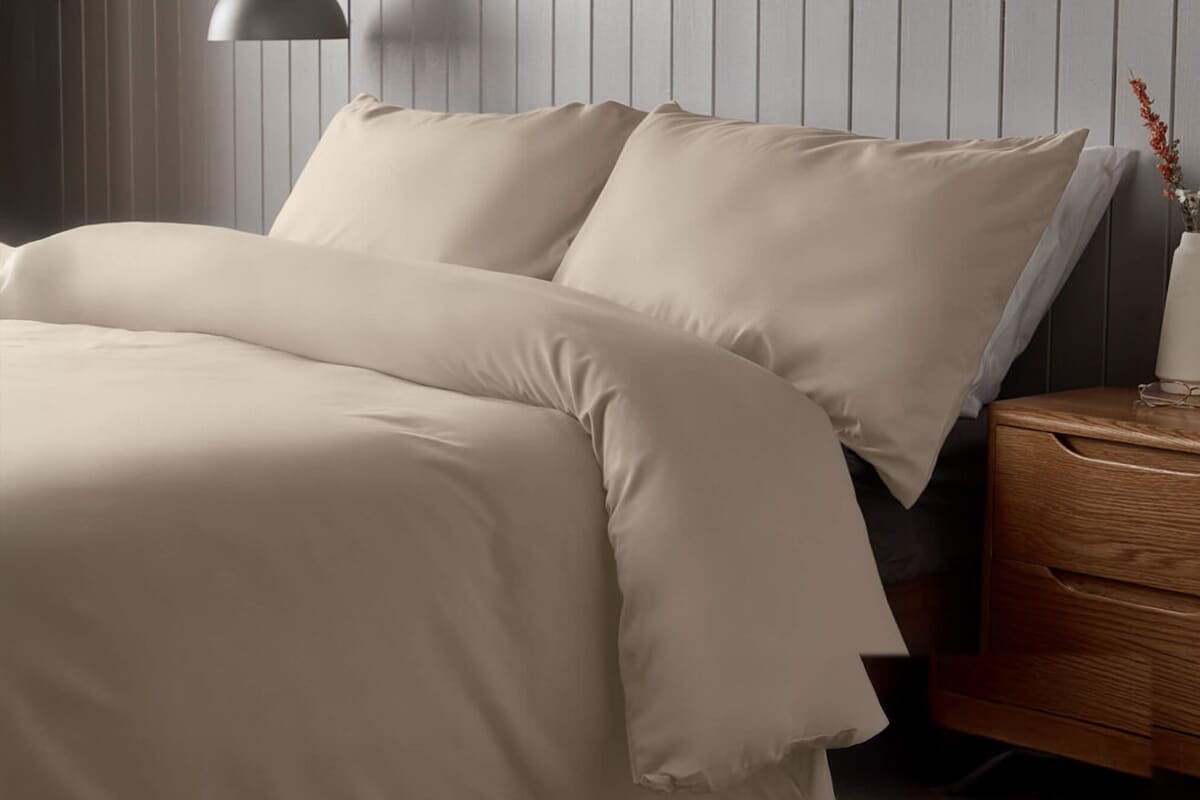
The best material is the one for you
So, whether you’re a hot sleeper who needs cooling linen or need durable, washing-machine-withstanding polycotton sheets, the most important thing to remember is that the best material for bed sheets is whatever is best for you!
Now that you know exactly how to choose the best sheets, why not explore our full range of bedding to upgrade your sleep setup and add a touch of style and freshness to your bed?