
 Lowest Price Promise
 0% Buy now, pay later




Natalie Pennicotte-Collier
MSC, MBCT, D.CHyp, MNCH, DHybKG, Reg CNHC
Sleep Expert Partner for 2026
A note from our Sleep Expert Partner 2026…
"As both a sleep therapist and a mum, I know firsthand that great quality sleep is absolutely everything for the whole family. I know that navigating the different stages of your child's growth and choosing the right bed size can feel like a daunting milestone.
However, your child deserves a sleep foundation as carefully chosen as everything else you do for their health, and using the expert insight in this guide can help easily guide your purchasing decisions. Ultimately, investing in the right setup means far more than just helping them sleep soundly tonight.
"
We’re sure you’ve noticed that kids grow up quickly. One moment they’re toddling about in nappies and the next they’re getting things down from the top shelf for you. In order for their bodies to develop healthily, they need the right support when they're asleep - after all, bones do most of their growing at night.
The most important thing is what bed size is going to be appropriate for them at the different stages of growth and development - getting your child's bed size right is key for healthy growth.
Children's bed sizes can be tricky, and we understand that there are so many options out there - from bunk beds, toddler mattresses, small single mattresses and more, how do you know what to choose? We’ve created the ultimate guide to kid's bed sizes, so you know exactly what mattress size you need to keep your child safe and supported.

What size bed does my child need?
While children of the same age can be miles apart in height and weight, generally speaking you’ll want your little one (or not so little one) to move from a toddler bed to a single or small single bed when they reach around four years old.
| Mattress Type | Dimensions | Recommended Age |
| Cot Mattress | 120cm x 60cm or 47" x 23" | 0-2 years |
| Cot Bed Mattress | 140cm x 70cm or 55" x 27" | 2-4 years |
| Small Single Mattress | 190cm x 75cm or 6'3" x 2'6" | 4 years and up |
| Single Mattress | 190cm x 90cm or 6'3" x 3' | 4 years and up |
| Small Double Mattress | 190cm x 120cm or 6'3" x 4' | 8 years and up |
At this age, they’re going to want more room to wriggle around at night, and they’re too big for the same toddler bed they started sleeping in at two years old.
There are two important things to consider when researching kid's bed sizes: leaving enough room for them to grow, and how much room you have in their bedroom.
We’d recommend taking measurements of your child’s bedroom to get an idea of how much room you have, and then take a look at the table above to see if you can fit the bed size your child requires for their age.
It’s not the end of the world if you can’t fit a small double bed in your eight year-old’s bedroom - a single mattress will still give them plenty of growing room.
The difference between cot mattresses and cot bed mattresses
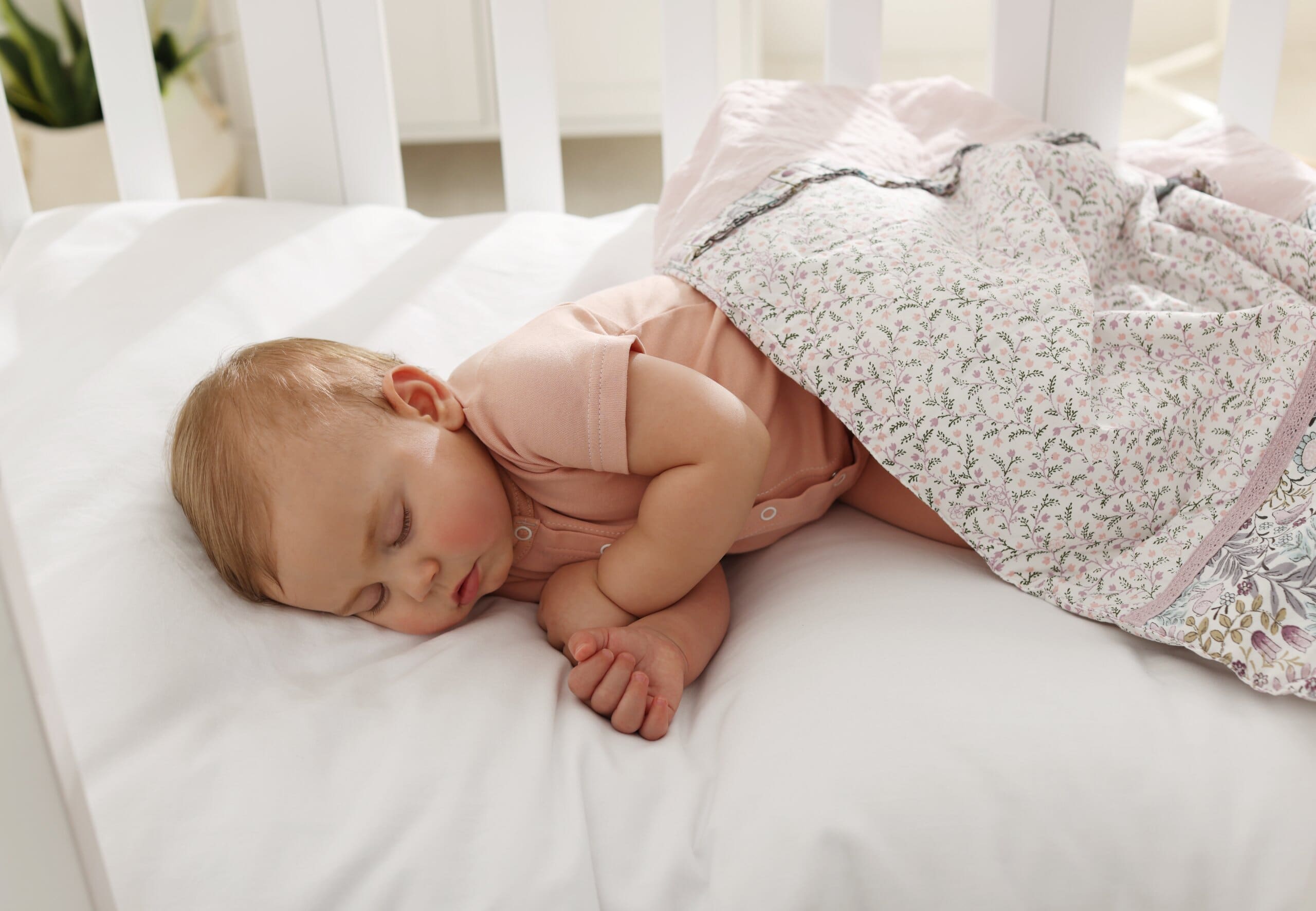
Don’t know the difference between a cot and a cot bed? We don’t blame you! To the untrained eye both cots and cot beds are just small beds with bars to protect your little one, but there is actually a difference. These are also often referred to as toddler beds, so if you want to know which toddler bed size to pick, take a look at the table below.
| Cot Mattresses | 120cm x 60cm |
| Cot Bed Mattresses | 140cm x 70cm |
While it might seem like there’s not much in it, if you’re a parent you’ll know how much babies can differ in size. The slightly larger cot bed can be better if your baby is a bit chunkier than average (cute!) but a regular cot might benefit you more if your baby’s nursery is smaller.
Cot bed mattresses are also recommended to bridge the gap between a cot and a small single mattress if you think your child is on the smaller side. The jump from a cot to a small single can feel big, so a cot bed mattress will ease this transition while still keeping your little one safe.
What is a shorty mattress?
A shorty mattress, as the same would suggest, are shorter than standard mattresses, and slightly narrower, although still wider than a cot bed mattress. These are perfect for bunk beds or smaller bed frames, especially if your little one doesn't need the length of a regular mattress.
Shorty mattresses can be the perfect toddler bed size as it's unlikely they'll need a full length bed, and they're slightly wider than a cot bed mattress, giving your little one more room to wriggle.
What size is a shorty mattress?
Shorty mattresses are generally 75cm x 175cm, making them ideal for younger children who aren't very tall. Shorty beds are also perfect for small bedrooms, leaving more space for toys and furniture.
Small single mattresses for kids
It’s a no-brainer that a small single mattress is going to save room if your child’s bedroom isn’t that spacious. If your child is clearly ready to move on from their cot bed mattress to something they can stretch out on, but you’re struggling to fit a bigger bed into their room, a small single mattress is the perfect child's bed size.
Generally advised for children between the ages of four to seven, small single mattresses are ideal if your child is still waiting on a big growth spurt and you’re not worried about them outgrowing it too quickly.
One of our favourite small single mattresses for children is the Cashmere Ortho 1000 Pocket British Wool Mattress, which includes individually pocketed springs that respond to your child’s movements throughout the night, ensuring their shoulders and hips are kept supported. This orthopaedic level of support is key as your child’s body is growing.
Single mattresses for kids
Arguably the most ideal bed size for a child over the age of four, a single mattress will give your little one the perfect amount of room to wriggle and grow.
What’s more, it’s unlikely your child will outgrow a single mattress that quickly, meaning you won’t have to replace it due to them getting too big for it. A single mattress is the perfect size for a child right up until adolescence.
Our range of single mattresses for kids include features that put your child first - including waterproof covers and hypoallergenic materials.
One of our best selling single mattresses is the Coolflex Essentials™ Pocket Memory Mattress. This mattress features pressure-relieving technology that ensures your child’s heaviest pressure points are supported. Individually pocketed springs adjust to their changes in weight and movement, perfect for growing bodies.
Small double mattresses for kids
If you have enough room for it, you might want to invest in a small double mattress for your child. Recommended for children aged eight and up, a small double mattress could be a good idea if your child is particularly tall or on the heavier side, or if you just think they’d benefit from some extra space at night.
Investing in a small double bed earlier could be beneficial, as it’s likely your little one will end up asking for a bigger bed come their teenage years. Investing in one now will save you having to give in to a king size bed when they’re thirteen - their bed is already big enough!
We love the SleepSoul Wish 3000 Series Pocket Cool Gel Mattress, one of our Top Recommended Bestsellers of 2022 and 2023, and a Which? Best Buy of May 2022. It features cool gel memory foam where gel microbeads regulate your body’s temperature, ensuring you don’t get overheated at night - perfect for when your child hits puberty!
How do you know when you need the next child's bed size up?
You won’t just want to take the age of your child as complete evidence for them needing a new bed. There are many other factors that come into your child transitioning from say a cot bed to a single mattress.
For example, it might be visibly obvious that your child is too big - their feet might be poking out the bottom of the duvet! Or it could be something more subtle, like they just can’t seem to get comfortable at night. Here’s some key things to look out for to recognise if your child is ready for a new bed size.
They’re physically bigger
Of course, it’s obvious that your kid’s bed is too small for them if their limbs are hanging off the edges, but in some cases it might be less noticeable that they’re in too small of a bed.
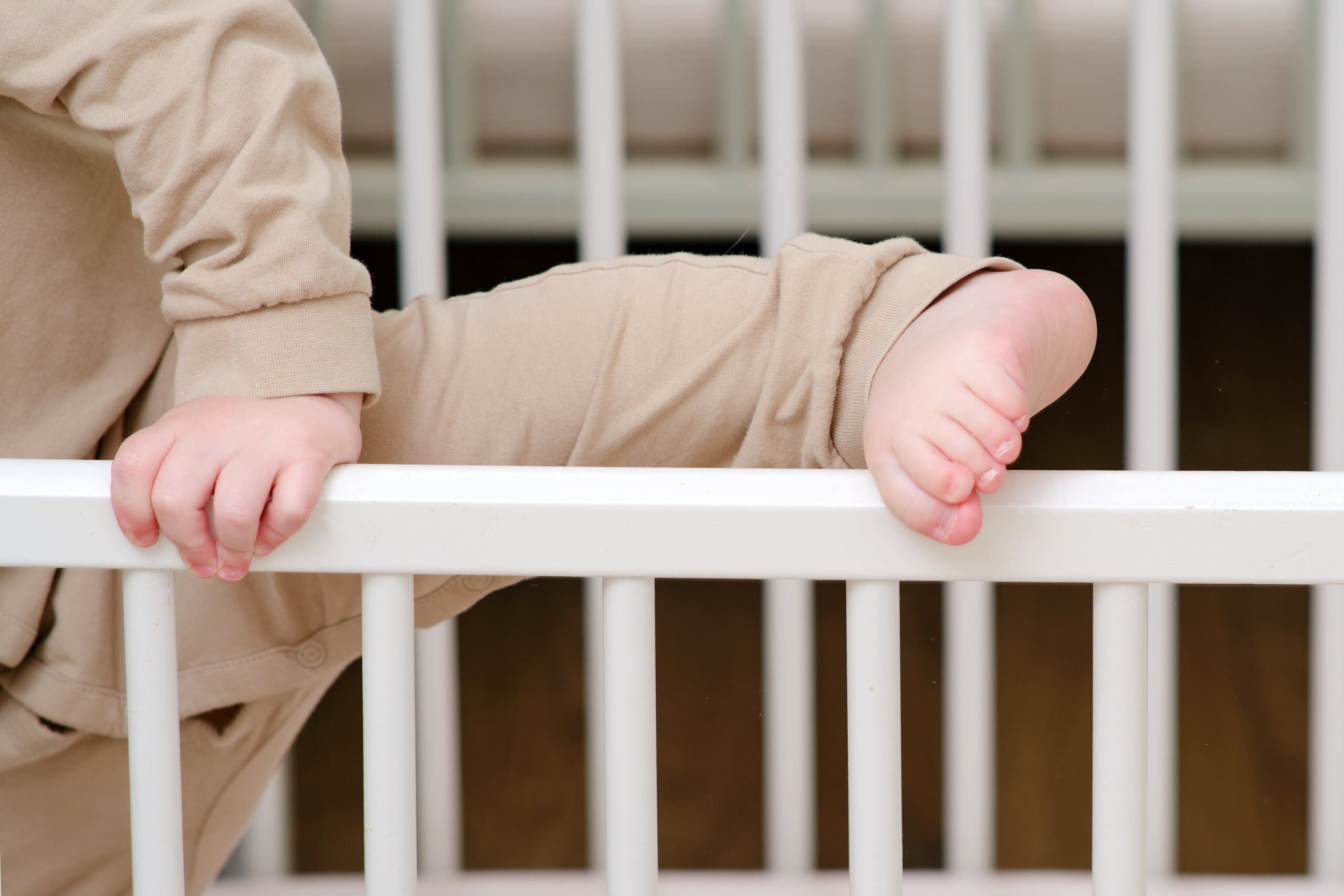
If your child is still in a cot, for example, they’re ready to move to a slightly larger cot bed when they’re able to climb out of the cot, or pull themselves up on the sides of it. The safety of the cot is now obsolete, and it’s time to let your little one stretch out in a bigger size bed.
They can't get comfortable
We all know how uncomfortable it can be sleeping in a bed that we can't quite fit in. As they’re growing, children are likely to toss and turn throughout the night, their bodies figuring themselves out as much as their minds are.
If their bed is too small, however, they’re not going to have enough room to turn properly and get comfortable, resulting in pains in their growing limbs that should be kept as supported as possible. It’s important that your child’s bed is big enough to support their growth spurts and growing pains.
They’re becoming more independent
Growing up is all about figuring out who you are, and our bedrooms feature massively in that. While you might not want to rush out and buy your teenager a king size bed just because they’ve asked for one, it’s important to keep your child’s interests in mind.
If your child is nearing six years of age and isn’t happy with their small single mattress, it might be time to invest in a single mattress instead. This way, they can feel like they have autonomy over their nighttime experience, and hopefully be less inclined to jump into your bed in the middle of night instead.

If you need more help measuring your room for the ideal bed size, read our Ultimate UK Bed & Mattress Size Guide for helpful tips and advice. If you need help on what type of mattress to buy your child, read our Complete Guide To Buying Your Child a Kid's Mattress for what to consider once you've got to grips with children's bed sizes.