
 Lowest Price Promise
 0% Buy now, pay later

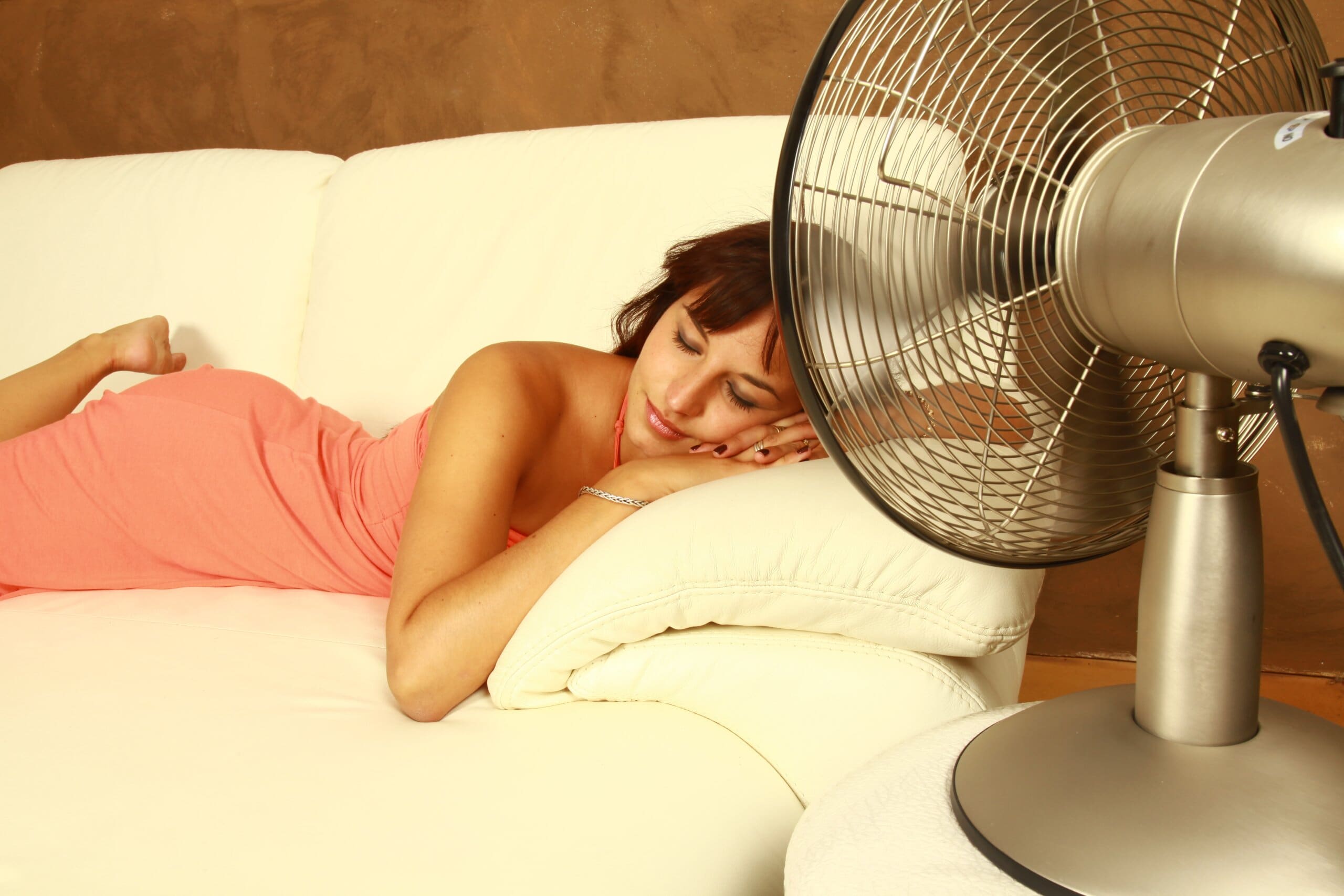
Sleeping in a hot bedroom can feel impossible. You toss, turn, flip the pillow, stick a leg out, and still can’t get comfortable. For a lot of people, switching on a fan is the only thing that actually works.
That instant hit of cool air, paired with the low, steady hum, can make falling asleep feel almost effortless. It is one of the quickest ways to cool down and switch off at night.
But while fans are great at helping you drift off, they do not always support your sleep in the same way across the whole night.
Working with our resident sleep clinician, Natalie Pennicotte-Collier, we explain how sleeping with a fan affects your sleep, why it can feel different overnight, and what allergy sufferers need to know.
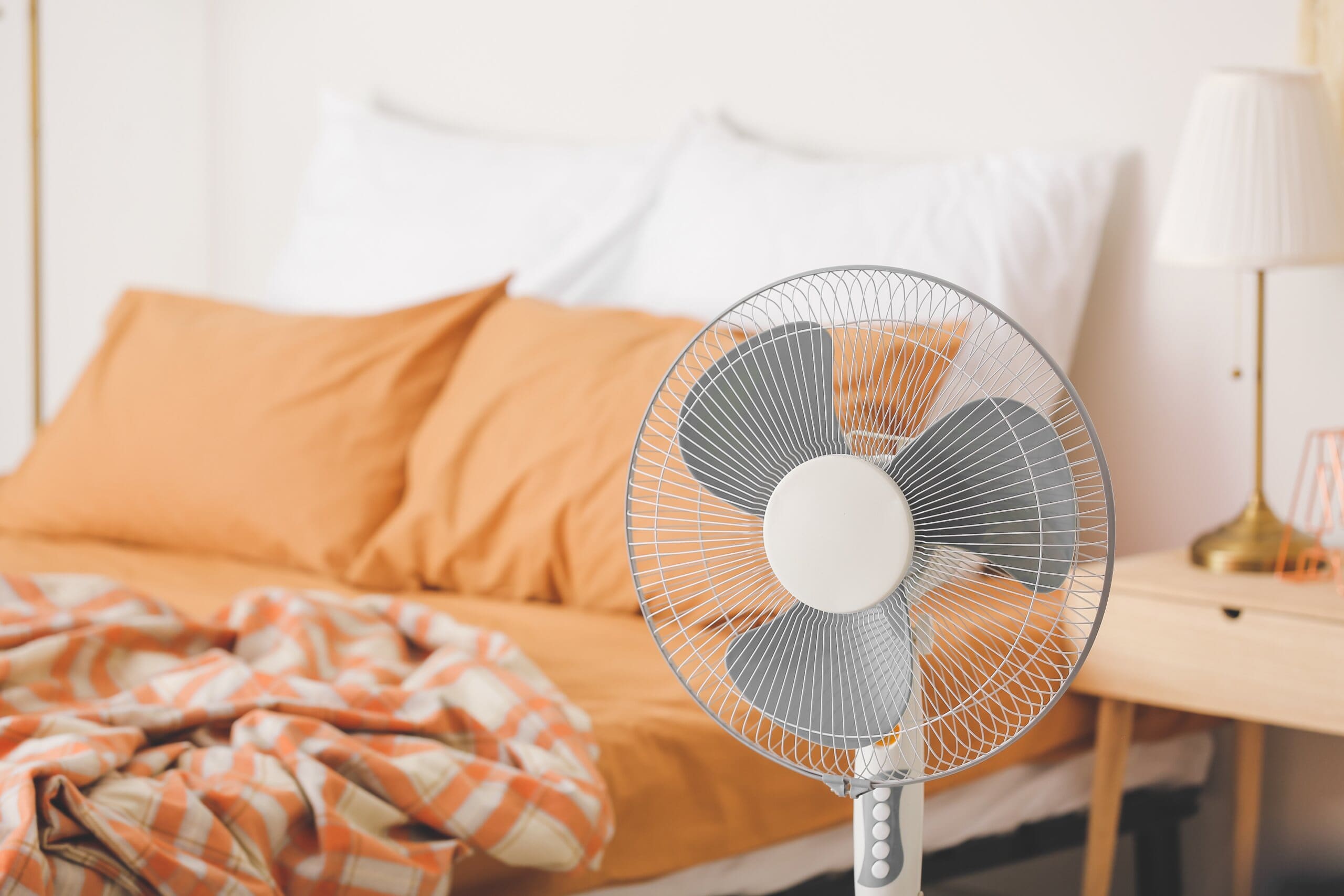
Sleep Clinician Shares Four Ways Fans Help You Fall Asleep Faster
1. They trigger your body’s natural “sleep temperature” drop
To initiate sleep, your body has to physically cool down first.
Natalie explains, “Your core body temperature needs to drop by 1 to 3 degrees to initiate sleep, and a fan creates gentle air movement that helps facilitate that cooling process, particularly during warmer months and in poorly ventilated bedrooms.”
This drop in temperature is one of the strongest biological signals that it is time to sleep. When your body stays too warm, it holds you in a more alert state.
A cooling fan can help with this, creating that ‘push down’ into sleep more quickly.
2. They create a steady sound that your brain learns to trust
The sound of a fan does more than simply fill the silence of your sleep space.
Natalie adds, “The most significant benefit is temperature regulation and, of course, the sound-calming effects of its white noise.”
“For many sleepers, the steady hum becomes a powerful sleep cue in itself, a signal to the nervous system that it is safe to let go and rest, making it far easier to unwind before sleep.”
Instead of reacting to random noises, your brain locks onto one steady sound, which helps reduce disruptions and makes it easier to switch off.
3. They help your body switch out of “alert mode”
To fall asleep with ease, your body needs to move out of its active, alert state and into a more relaxed one.
Natalie explains, “In my sleep clinic, I often share a simple way to understand how sleep works, helping people switch off faster and settle racing thoughts. As you prepare for sleep, your brain and body need to switch out of alert mode and slow down into a calmer state, ready for rest.
“Your nervous system has two main modes. Your ‘autonomic’ sympathetic branch drives helpful awake modes like action, alertness and focus. Your ‘calming’ parasympathetic branch allows your heart rate to drop, your breathing to slow, and your muscles to release so your body can move into deep, restorative sleep.”
“Everything in your sleep environment is either inviting that relaxing unwind into sleep or quietly blocking your pre-sleep relaxation. Temperature and sound are two of its most powerful influences,” Natalie adds.
A cooler room and steady sound make it easier for your body and mind to fully switch off and settle into sleep.
4. They reduce the physical tension caused by heat
Heat is one of the biggest reasons people struggle to settle at night and stay sound asleep, especially in spring and summer.
Natalie said, “Cooling your bedroom with an electric fan can help improve your sleep and allow muscles to release tension before bed.”
“The feeling of air movement can ease the physical discomfort of lying still in a warm room, reducing the restlessness that heat creates and helping muscles feel more settled.”
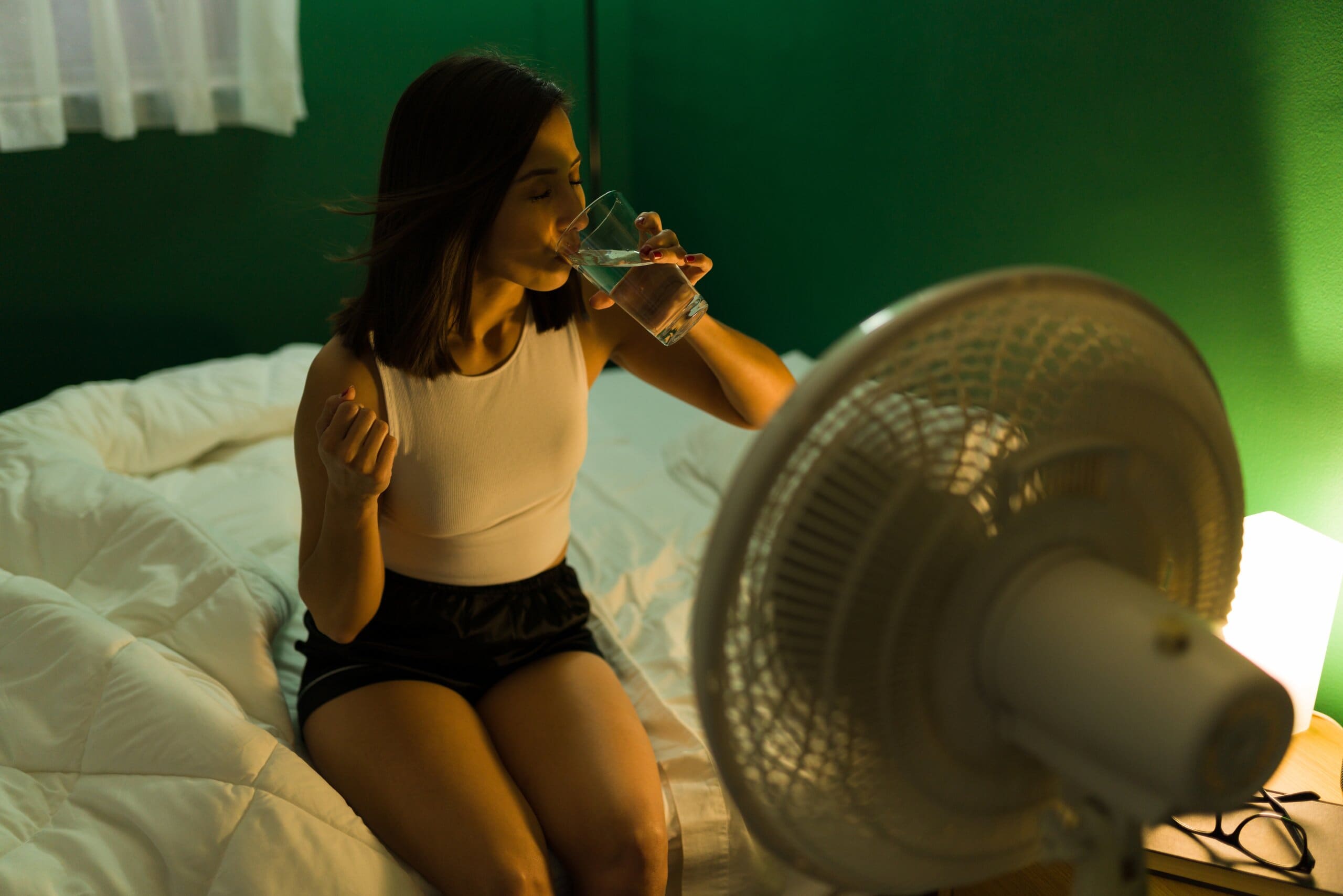
Avoid the Fan Trap: Why Blasting Cold Air All Night Can Backfire
However, whilst a fan can help you fall asleep quickly, the same conditions can feel very different a few hours later.
Natalie explains, “What helps you fall asleep is not always what supports your best quality sleep across the whole night. Let me explain what your sleep needs as you move through the night and towards waking.
“A fan can ease sleep onset, but as the room cools further in the early hours and your core body temperature begins to change before waking, that same fan can start to fragment your sleep, triggering lighter waking as your body tries to regulate itself.
“During the different cycles and phases of sleep, the body moves frequently and core temperature subtly fluctuates. In the early hours, it actually needs to warm slightly again before waking.”
“But with a fan running all night, the constant airflow continues to cool and dry the air around you, which can interfere with that natural process.”
This is why some people fall asleep quickly but wake up feeling less rested than expected.
The Overlooked Reason Your Fan Could be Affecting Your Sleep
One of the most overlooked effects of sleeping with a fan is how it impacts your airways.
Natalie says this is something she sees regularly in her clinic.
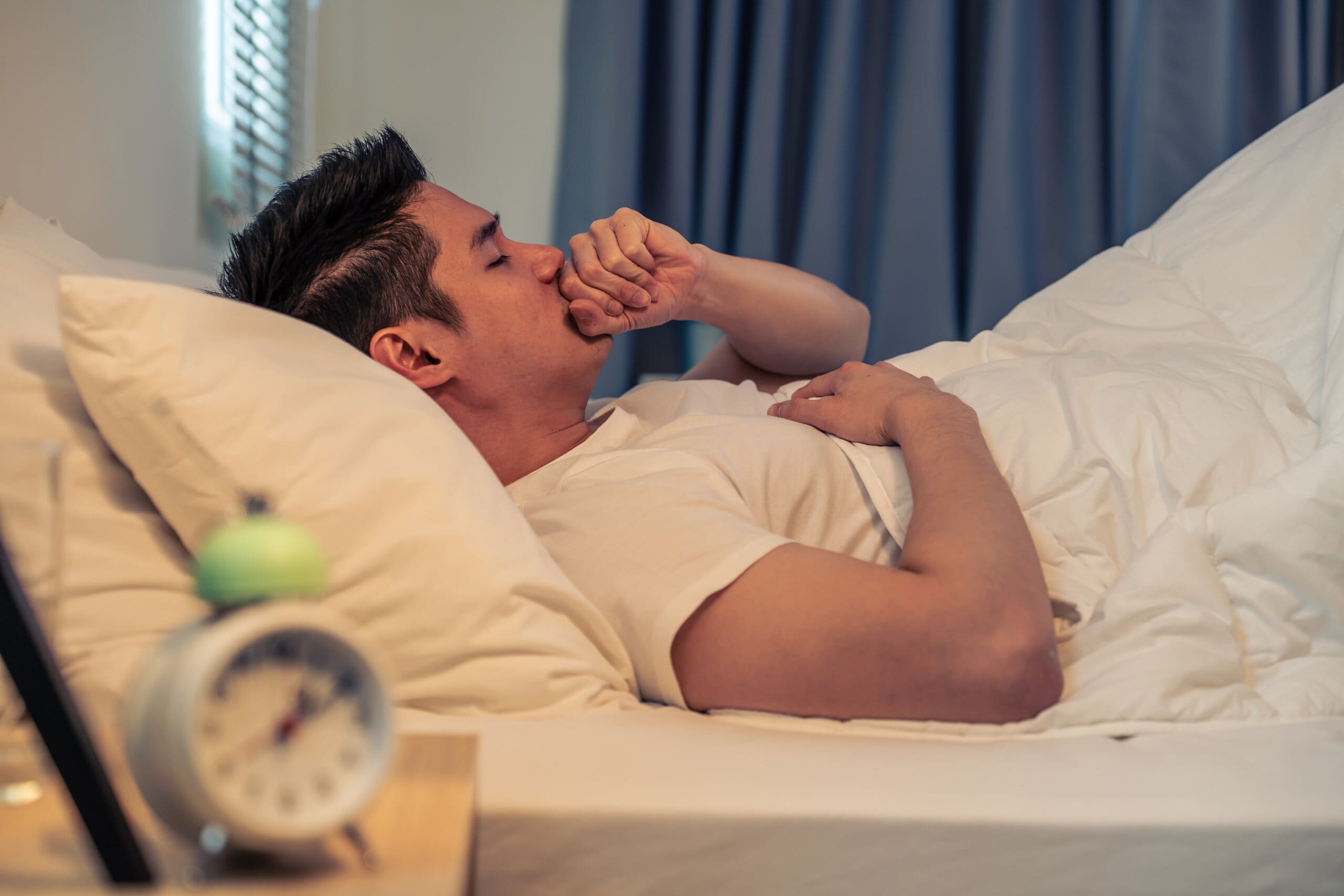
“A fan running all night progressively dries the mucosal membranes lining your nose, throat and upper airways. Your body responds by producing more mucus.”
This can lead to a cycle that affects your sleep without you realising.
“The result is congestion, a dry or scratchy throat and a shift away from nasal breathing towards mouth breathing, which is associated with lighter sleep and reduced overnight recovery.”
For many people, this shows up as unexplained disrupted sleep.
“Many of the clients who come to me struggling with early morning waking, convinced it is stress or anxiety, are actually experiencing the overnight effect of airway dryness from fan exposure.”
That link is often missed completely.
Why Allergy Sufferers Notice the Effects More
If you have hay fever, asthma or sensitive airways, the impact can be stronger.
Natalie explains that a fan does more than cool the room.
“Hay fever and dust allergy sufferers are essentially circulating their primary triggers continuously in a closed bedroom for seven or eight hours.
“The immune response this activates can disrupt sleep and leave people waking with congestion, itchy eyes and that feeling of having slept but not recovered.”
The cool, dry, moving air can also affect breathing itself.
“For those with sensitive airways, overnight fan exposure can inflame the airways and worsen breathing quality, often without the person connecting it to their sleep.”
For many people, these effects are manageable, but they highlight how important it is to use a fan in a way that supports your sleep environment.
5 Ways to Use a Fan Without Disrupting Your Sleep
If you rely on a fan to fall asleep, you do not need to stop using one. The key is how you use it.
After working with clients who rely on fans night after night, Natalie says small adjustments can make a noticeable difference to your sleep quality.
She shares her top tips for staying cool while making sure your fan supports your sleep throughout the night.
1. Clean your fan on a weekly basis
Natalie said, “Clean your fan thoroughly and regularly. The blades are one of the most effective dust collectors in your bedroom.”
When the fan is running, that dust does not stay put. It gets circulated around the room for hours while you sleep.
2. Avoid directing airflow straight at your body
Natalie advises, “Point the fan towards the ceiling or a wall, not directly at your face or body, to reduce airway drying while still cooling the room.”
This helps you stay cool without drying out your nose, throat and eyes overnight.
3. Cool the room before bed, not all night
Natalie explains, “Use your fan to cool the room before sleep, or set a timer so it switches off after an hour. You still get the temperature benefit, without the overnight drying effects or continued airflow.”
This is one of the simplest ways to keep the benefits while avoiding the downsides.
4. Pair it with an air purifier
If you can afford one, Natalie suggests combining airflow with cleaner air.
She said, “Look for a fan with a built-in HEPA filter, or consider using an air purifier alongside a standard fan. This helps filter the particles the fan is circulating and can be especially helpful for allergy or asthma sufferers.”
This is especially useful during warmer months when pollen levels are higher.
5. Stay hydrated to support your airways
Natalie said, “Stay well hydrated through the day and keep water by your bed. Counteracting the drying effect of fan use starts with good hydration.”
This helps preserve the natural moisture in your airways, supporting more comfortable breathing overnight.
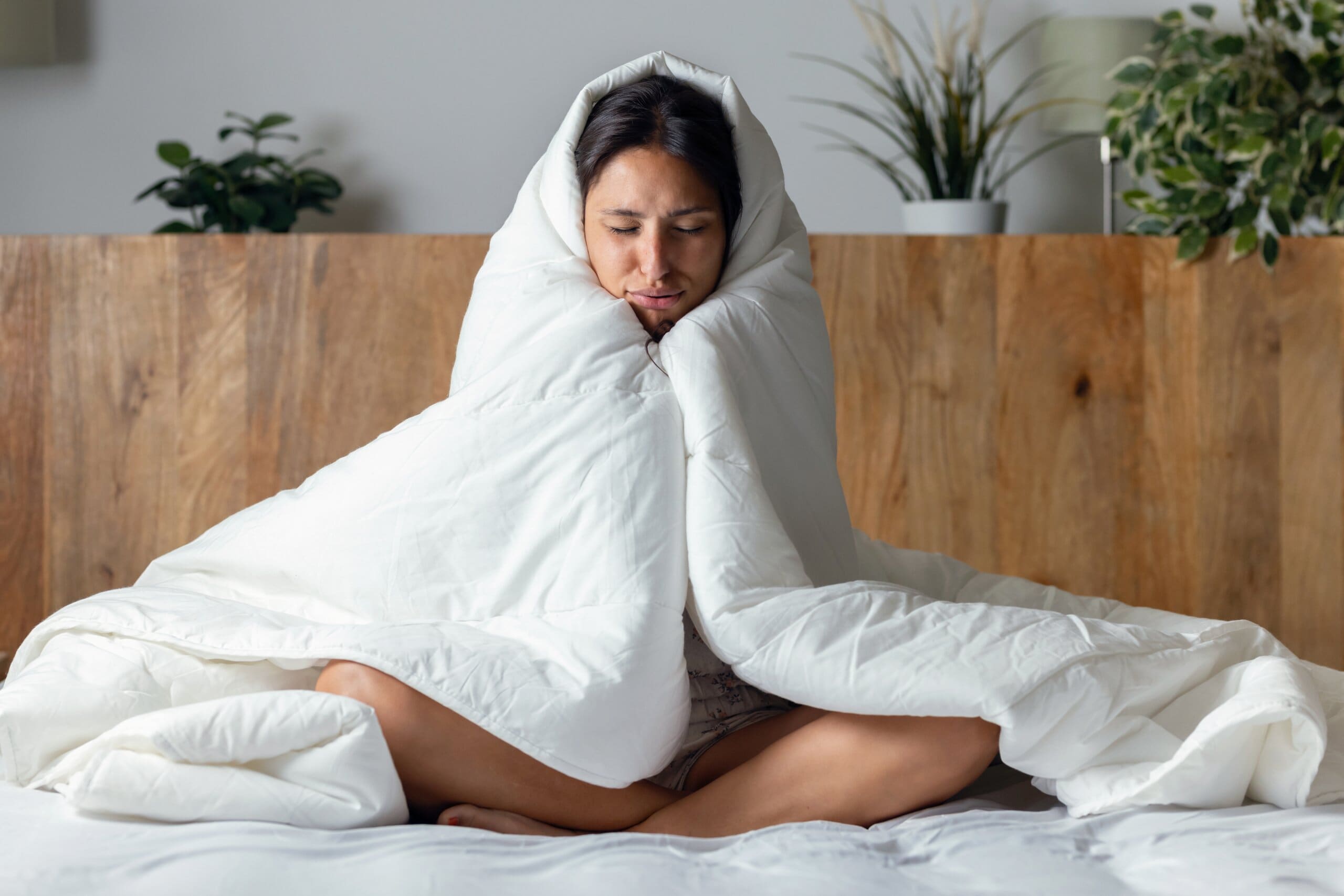
If you do rely on a fan to stay cool, pairing it with the right bedding can make a noticeable difference. A supportive option like the Coolflex® Cool Gel Memory Foam Pillow is designed to cradle your neck and shoulders while helping to regulate temperature, so you can stay comfortable throughout the night.
You can also explore our wider range of cooling bedding to create a sleep environment that keeps you cool without relying solely on airflow.
We know how uncomfortable hot nights can be, and while fans are effective, they are not the only option. Our sleep experts have also shared 10 ways to stay cool at night without a fan, giving you alternative ways to improve your sleep during warmer months.